
Last updated November 15, 2026
 Wrought iron
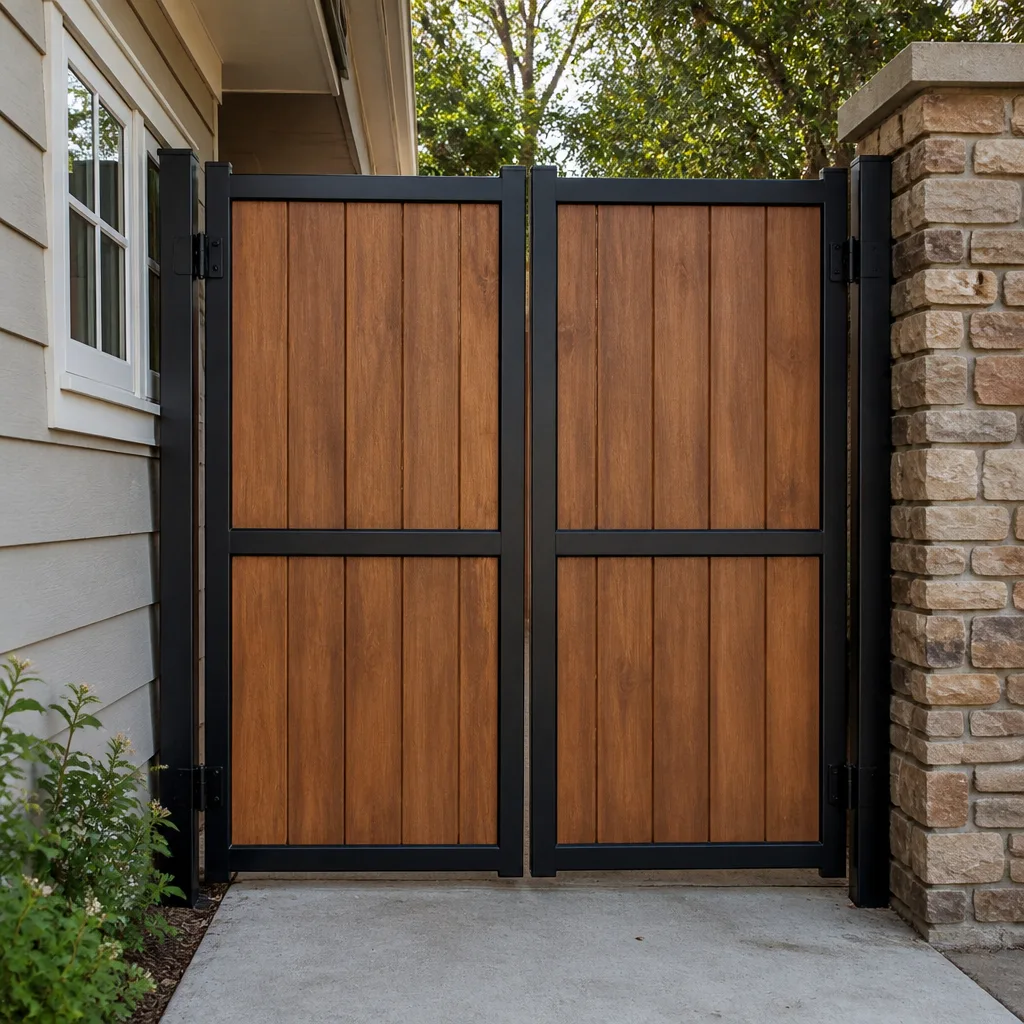 Wood & steel frame
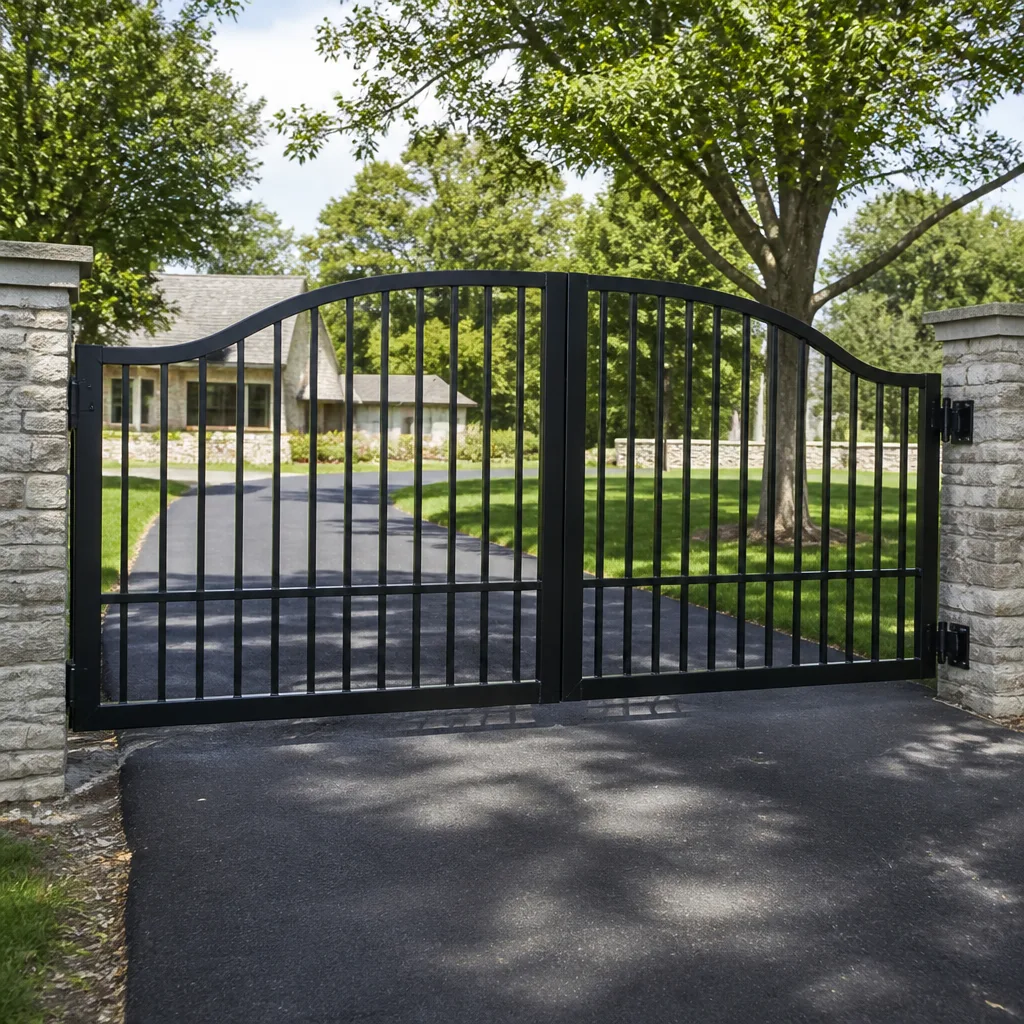 Farm & ranch
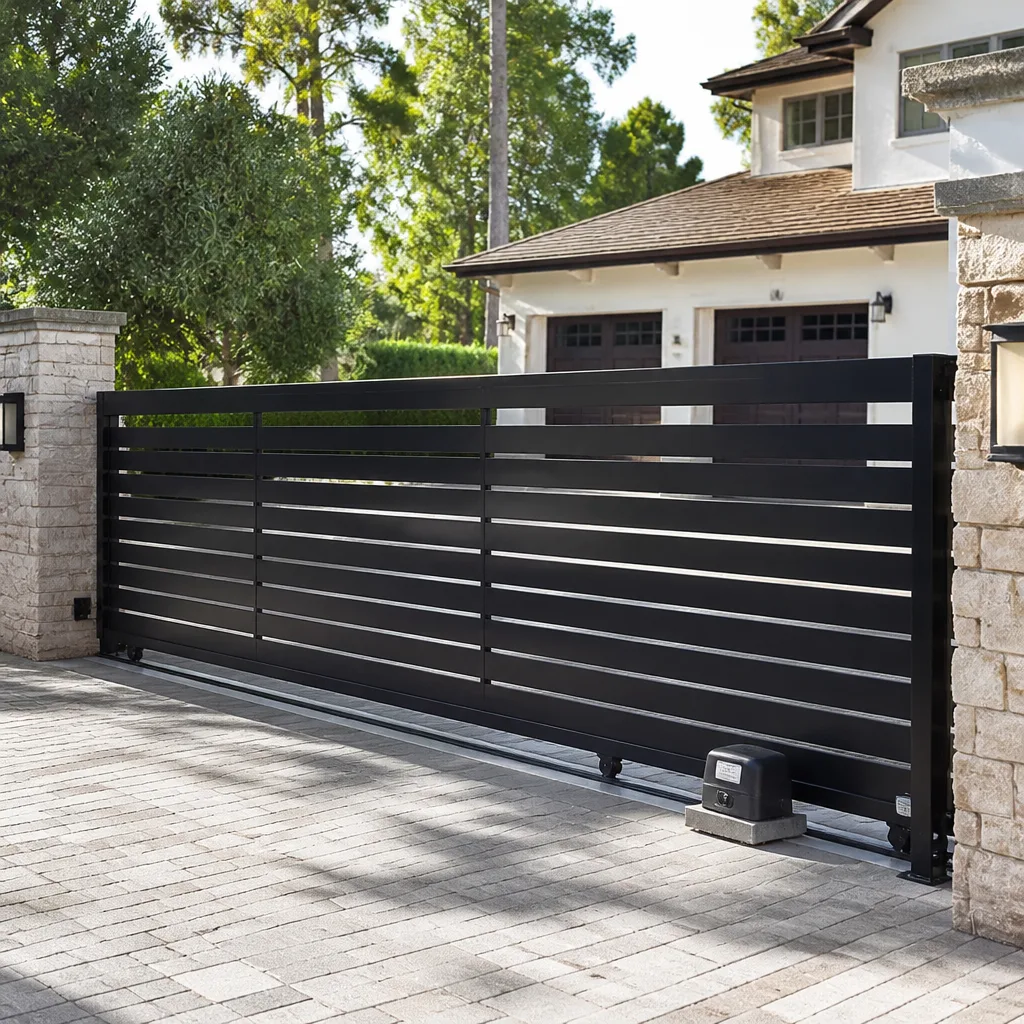 Sliding driveway gates
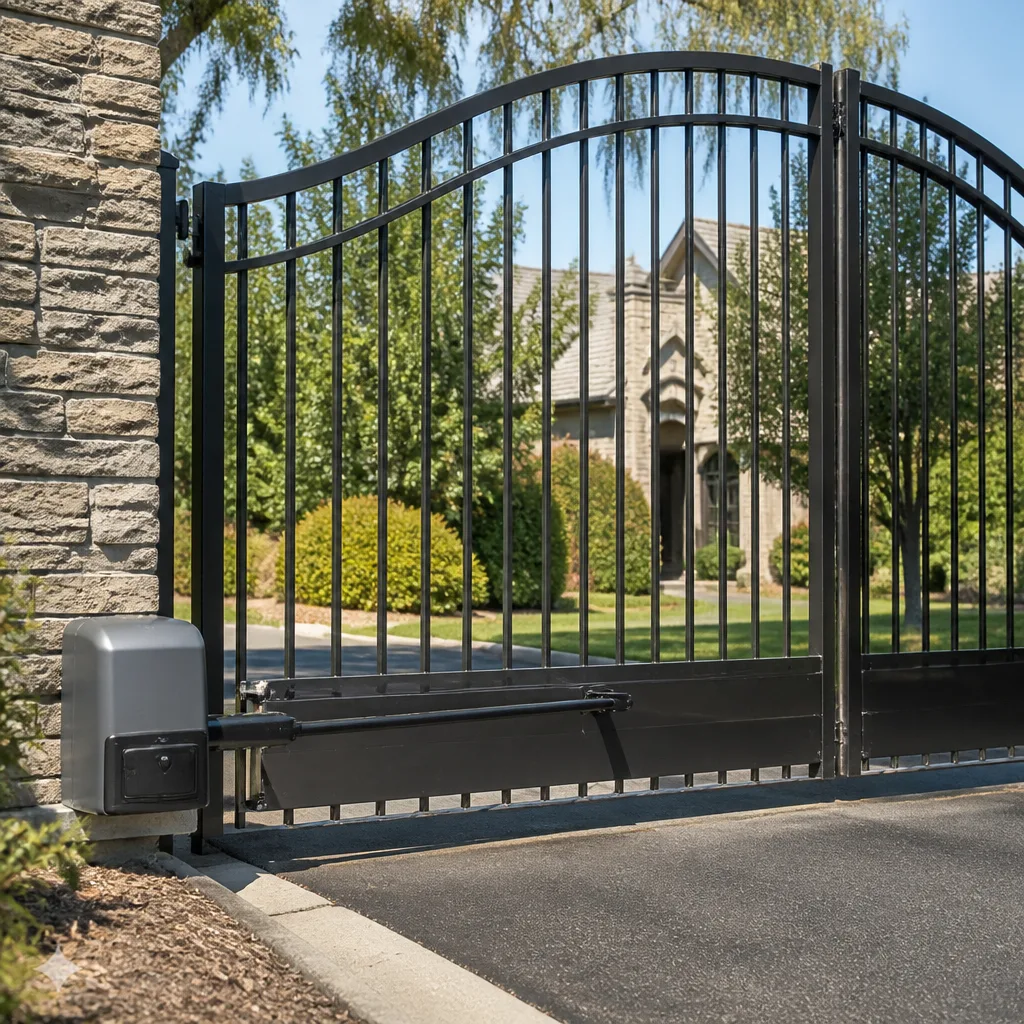 LiftMaster operators
Free on-site gate assessment - hinges, posts, and your LiftMaster or Nice gate operator checked before anything is quoted
The assessment is free and the quote is the invoice.
Get your free estimateGate Repair Permits, Codes & Inspections in Tracy, CA: What You Need to Know
A gate that swings freely across a residential driveway is classified as a “vehicular gate” under California building code. That single classification changes everything about what your gate legally has to include. Most Tracy homeowners assume a gate is just fencing with a motor bolted on, and that assumption is exactly how non-compliant installations end up on properties across San Joaquin County. When you replace an operator or upgrade a system, you may be triggering a building permit and a safety compliance obligation you never knew existed. This guide explains when permits apply in Tracy, what inspectors actually check, and how to handle a gate you inherited that was never compliant.
Quick Answer
In Tracy, a permit is generally required for new gate installations, operator replacements, and structural repairs to gate posts or columns, and residential vehicular gates must meet UL 325 entrapment protection standards with functioning safety devices like photo eyes and edge sensors. Unpermitted gate work can complicate homeowner’s insurance claims and create disclosure problems when you sell. If you’re unsure whether your project crosses the permit line, the City of Tracy’s building department is the authority to ask, and a gate specialist can tell you what your specific system needs.
Styles & brands we work with
- Wrought iron
- Wood & steel frame
- Farm & ranch
- Sliding driveway gates
- LiftMaster operators
Table of Contents
- When Does the City of Tracy Require a Permit for Gate Work?
- What Is UL 325 and Why Does It Apply to Your Driveway Gate?
- The Safety Devices Inspectors Look For
- What Happens During a Gate Inspection
- How Unpermitted Gate Work Affects Insurance and Resale
- You Bought a House With a Non-Compliant Gate. Now What?
- Operator Brands and Compliance: What We See in Tracy
- Common Mistakes to Avoid
When Does the City of Tracy Require a Permit for Gate Work?
Permit thresholds vary by project type, and the City of Tracy’s building department makes the final call on any specific job. That said, three categories of gate work most often trigger a permit requirement, and homeowners are frequently surprised by the middle one.
1. New gate installations. A brand-new vehicular gate, whether manual or automatic, involves new structural posts, anchoring, and often electrical work. New construction of this kind is the clearest permit case. If a contractor is setting posts in concrete and wiring an operator, that project should be on the city’s radar.
2. Operator replacements and significant upgrades. This is where most people get caught out. Swapping a failed operator for a new one can count as an alteration to an existing gate system, particularly when the new unit changes the safety configuration or requires new electrical connections. A like-for-like motor swap and a full automation upgrade are not the same project in the eyes of a building department.
3. Structural repairs to posts, columns, or hinges. Repairing a leaning post or rebuilding a column that carries the gate’s weight is structural work. Patching a hinge or adjusting a roller is maintenance. The line sits at whether you’re altering the structure that holds the gate up.
Routine maintenance, lubrication, minor hardware adjustments, and control board swaps that don’t change the system’s safety setup typically don’t require a permit. When in doubt, call the City of Tracy building department directly and describe the job in plain terms. It’s a short call that saves a long headache. Our gate repair work regularly starts with a homeowner asking exactly this question, and it’s a good one to ask before anyone touches the gate.
Why Tracy Homeowners Miss the Permit Question
Gate work feels like fence work to most people, and fence repair in California often doesn’t require a permit below a certain height. The confusion is understandable. But a vehicular gate carries moving mechanical parts and, when automated, electrical components. That’s why the code treats it differently from a static fence panel. In a city like Tracy, where many properties have generous driveways and gate systems installed by whoever was available at the time, the permit question gets skipped more often than it should.
What Is UL 325 and Why Does It Apply to Your Driveway Gate?
UL 325 is the safety standard for door, drapery, gate, louver, and window operators and systems. For residential vehicular gates, it establishes entrapment protection requirements designed to prevent a person, pet, or vehicle from being caught by a moving gate. The standard defines specific zones around the gate where entrapment risk exists, and it requires that automated gates include protection appropriate to those zones.
The core idea is simple: an automatic gate that closes without sensing an obstruction is a hazard. UL 325 requires that a gate operator system either include inherent entrapment protection or be paired with external devices that detect obstacles and reverse or stop the gate. Modern operators are built with this in mind, but older systems, DIY installations, and units installed before the standard was tightened often fall short.
There are two categories of protection under the standard worth understanding:
- Inherent protection: features built into the operator itself, such as a sensing mechanism that detects resistance and reverses the gate.
- External protection: devices added to the gate system, such as photo eyes and edge sensors, that detect an obstruction in the gate’s path.
For most residential gate systems, UL 325 compliance means having at least one type of entrapment protection appropriate to the gate’s design, and monitored secondary protection in many configurations. If your gate was installed by a previous owner or by a handyman who wasn’t familiar with the standard, there’s a real chance it’s missing devices it should have. That’s not a scare tactic, it’s the pattern we see most often when we assess an older system. Whether it’s a Viking unit or a Ghost Controls DIY install, the compliance question doesn’t care who bolted it up. For electric systems in particular, electric gate repair assessments frequently uncover missing safety devices that were never added.
The Safety Devices Inspectors Look For
If a permit is pulled for gate work in Tracy, the inspection will focus on whether the installed system meets the entrapment protection requirements. These are the devices and features that matter most:
Photo Eyes (Photoelectric Sensors)
Photo eyes are paired sensors mounted on either side of the gate opening. They project an invisible beam across the gate’s path. When something breaks the beam, the gate stops or reverses. This is the most recognizable safety feature on a modern automatic gate, and it’s the first thing an inspector will look for. Photo eyes need to be mounted at the right height, aligned correctly, and wired so the operator actually responds to a break in the beam. A photo eye that’s mounted but not wired into the control board does nothing.
Edge Sensors
Edge sensors are pressure-sensitive strips mounted along the leading edge of the gate. When the gate contacts an obstruction, the sensor detects the pressure and signals the operator to reverse. These matter most on gates where the closing edge can contact a person or object before the operator’s inherent sensing kicks in.
Monitored Secondary Entrapment Protection
The standard calls for monitored protection, meaning the operator continuously checks that the safety device is present and functioning. If a photo eye fails or its wiring is cut, a monitored system recognizes the fault and refuses to operate the gate automatically, rather than closing blindly. This is a subtle but important distinction. An unmonitored device can fail silently and leave the gate running without protection.
Inherent Operator Features
Many modern operators include inherent protection, such as a sensing circuit that detects resistance during travel. Inspectors will confirm the operator itself is functioning in line with its listed safety features. A control board that’s been bypassed or programmed to ignore safety inputs is a red flag.
For access control systems, particularly on commercial properties where a DoorKing operator manages entry, the inspection may also look at how the access hardware integrates with the safety devices. A gate that opens for a transponder but closes without checking the path isn’t compliant, no matter how smoothly the access side works.
What Happens During a Gate Inspection
A gate inspection is usually straightforward and short, but the details matter. Here’s how the process typically runs for a permitted gate project:
- The permit application is filed. The scope of work, the operator model, and the safety devices to be installed are described. The City of Tracy reviews it and issues the permit if the scope is clear.
- The work is completed. The gate, posts, operator, and safety devices are installed per the approved scope.
- The inspection is scheduled. The inspector visits to verify the installation matches the permitted scope and meets the entrapment protection requirements.
- Safety devices are tested. The inspector will typically check that photo eyes and edge sensors are present, mounted correctly, and actually stop or reverse the gate when triggered.
- Wiring and electrical connections are reviewed. Any electrical work tied to the operator, including the power run and control connections, is checked for proper installation.
- The gate is cycled. The inspector operates the gate through a full cycle to confirm the system behaves as designed.
- The inspection is signed off, or corrections are noted. If something is missing or malfunctioning, the inspector issues a correction notice and a re-inspection is scheduled once it’s fixed.
The most common correction we see involves safety devices that were installed but not properly integrated, or an operator programmed in a way that overrides a safety input. Getting the devices physically mounted is half the job; getting them wired and configured correctly is the other half. If you’re preparing for an inspection, it helps to test the gate yourself first. Walk through the beam while the gate is closing and confirm it reverses. Press the edge sensor and confirm the same. If either fails, the inspection will too.
How Unpermitted Gate Work Affects Insurance and Resale
This is the part of the conversation homeowners take most seriously once they hear it. Unpermitted gate work can create real complications in two areas: insurance claims and property sales.
Insurance Claims
Homeowner’s insurance policies generally expect that permanent structures and installed systems on the property are built to code. If an automatic gate is involved in a claim, whether from an injury caused by the gate or damage to the gate itself, an insurer may look at whether the installation was permitted and code-compliant. A gate that was never permitted and lacks required safety devices puts the homeowner in a weaker position when a claim is reviewed. We can’t tell you how any specific insurer will handle a specific claim, but the general principle is consistent: compliant, permitted work is easier to defend than work that was never documented.
Resale and Disclosure
California requires sellers to disclose known material facts about the property. An unpermitted gate, particularly one with missing safety devices, is a disclosure item. Buyers and their inspectors are increasingly aware of gate safety, and a non-compliant gate can become a negotiating point or a delay at closing. In a resale market like San Joaquin County, where buyers often have inspections done thoroughly, an undocumented gate installation can stand out. Having the permit trail in hand makes the sale smoother for everyone.
The broader point is that a gate is a safety system, not just a convenience. Treating it like a permanent structure on the property, with the documentation that implies, protects you on both fronts. If you’re in Tracy and planning a sale, it’s worth reviewing your gate’s paperwork before the listing goes live.
You Bought a House With a Non-Compliant Gate. Now What?
Buying a home with an existing gate means inheriting whatever the previous owner installed, permitted or not. That’s a common situation in Tracy, and it’s not a crisis. It’s a project with a clear sequence.
- Assess what you have. Identify the operator brand and model, and check for photo eyes, edge sensors, and any other safety devices. A gate specialist can do this quickly and tell you what’s missing.
- Ask the city about the permit history. The City of Tracy building department can tell you whether a permit was ever pulled for the gate. If it was, the record may show what was approved.
- Determine what compliance requires. Depending on the gate design and operator, you may need to add missing safety devices, replace an outdated operator, or both. Sometimes the fix is modest; sometimes the operator needs to be brought up to current standards.
- Decide whether to permit the corrective work. In many cases, bringing the gate into compliance is itself the kind of work that benefits from a permit. Ask the city what they require for a retrofit.
- Get the work done by someone who knows gate systems. This is not the place for a general handyman. The safety devices have to be integrated with the operator correctly, and the access control has to work alongside them.
We see this regularly on properties across Tracy, and the good news is that a non-compliant gate is almost always fixable. The key is to treat it as a safety upgrade rather than a cosmetic one. If the operator is old and the safety devices are missing, replacing the operator with a modern unit that includes inherent protection and adding monitored external devices is often the cleanest path. An Elite or DoorKing unit installed properly and paired with functioning photo eyes will pass inspection and give you a gate that behaves predictably. Our full range of gate repair Tracy services includes this kind of assessment, so you know exactly what you’re dealing with before spending anything.
Operator Brands and Compliance: What We See in Tracy
Not every operator brand is installed the same way, and compliance details vary by model. We’re trained and experienced on nine gate brands, and a few patterns come up often in Tracy.
DIY-installed residential systems. Brands like Mighty Mule and Ghost Controls are popular with homeowners who install gates themselves. These units can be compliant when installed correctly with the appropriate safety devices, but DIY installs are the most likely to skip photo eyes or mount them without proper wiring. A Ghost Controls installation that works smoothly can still fail an inspection if the entrapment protection isn’t there.
Professional residential and light commercial operators. LiftMaster and Viking units are common on residential properties and small commercial sites. These operators typically support external safety devices and are designed with monitored protection in mind. The compliance question usually comes down to whether the installer connected and configured those devices.
Commercial access control systems. DoorKing operators are built for access control, and their safety integration is often more sophisticated. On commercial properties in Tracy, the inspection may involve how the access hardware interacts with the safety devices, not just whether the devices exist.
European and premium operators. FAAC and BFT systems show up on higher-end residential and commercial installations. These are capable operators, and compliance depends on proper configuration of the safety inputs.
Whatever the brand, the principle is the same: an operator is only as compliant as its installation. The unit’s spec sheet means nothing if the safety devices aren’t wired in and monitored. When we assess a gate, we’re checking the system as a whole, not just the brand name on the housing.
Common Mistakes to Avoid
- Assuming a gate is “just fence” and skipping the permit. A vehicular gate is a mechanical and electrical system subject to its own requirements. Treating it like a fence panel is the single most common error, and it’s the one that causes the most trouble later.
- Replacing an operator without checking the safety devices. A new operator on an old, unprotected gate doesn’t make the gate compliant. The safety devices have to match the new operator’s requirements, and that’s often overlooked when the goal is just to get the gate moving again.
- Mounting photo eyes but not wiring them to the control board. A photo eye that’s bolted to the post but not connected does nothing. Inspectors test the function, not the appearance.
- Buying a home and ignoring the gate’s condition. The gate works, so it seems fine. Then a safety issue surfaces during a later inspection or a claim. Ask for the permit history when you buy in Tracy, and have the gate assessed if the paperwork isn’t there.
- Hiring a handyman for a gate system. Gate operators and access control are their own trade. A generalist can bolt up a motor, but the entrapment protection and access integration require someone who works on gates regularly.
- Bypassing a safety input to stop nuisance reversals. When a photo eye keeps triggering, the temptation is to disable it. That’s exactly the wrong fix. The nuisance is usually a misalignment or wiring issue, and disabling the device removes the protection.
- Assuming an inspection will “just pass.” Inspections follow the permitted scope, and corrections are common. Testing the gate yourself before the inspector arrives saves a re-inspection fee and a delay.
See the difference
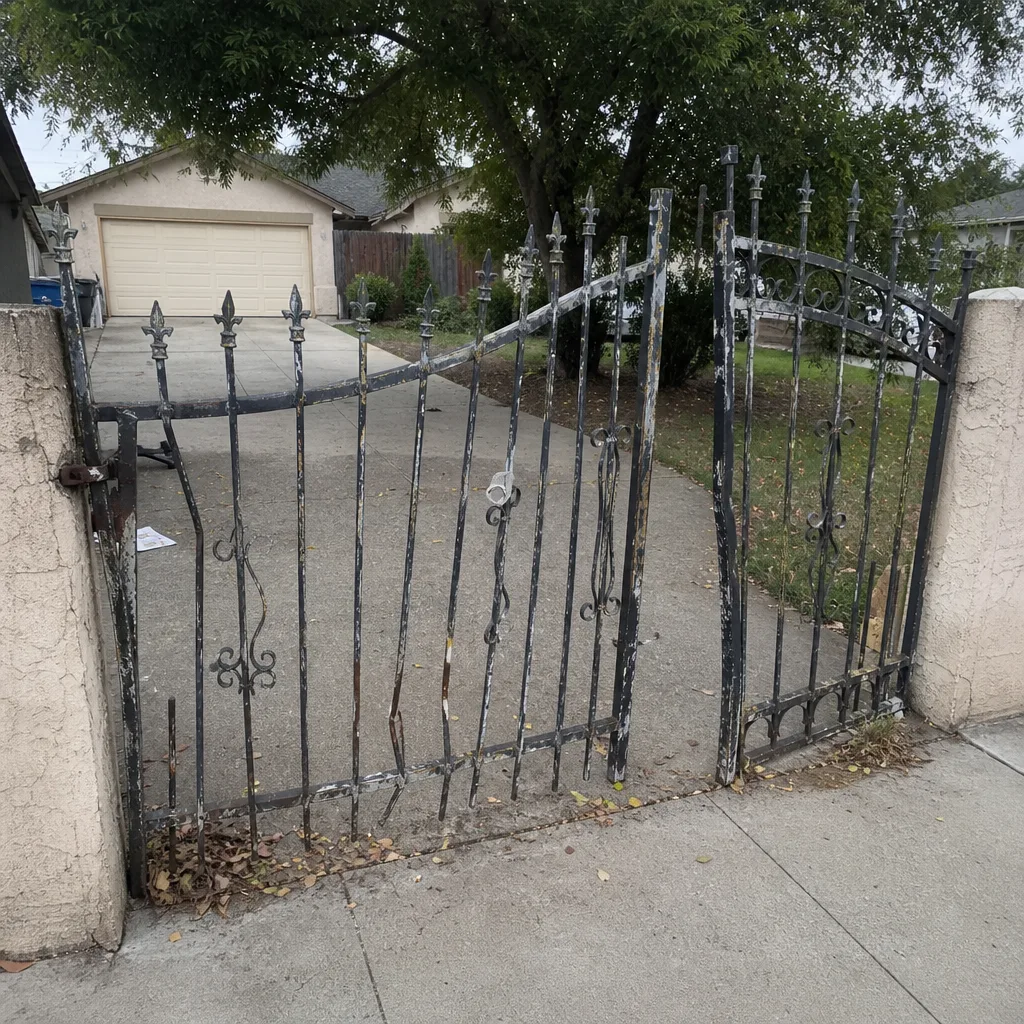 Before
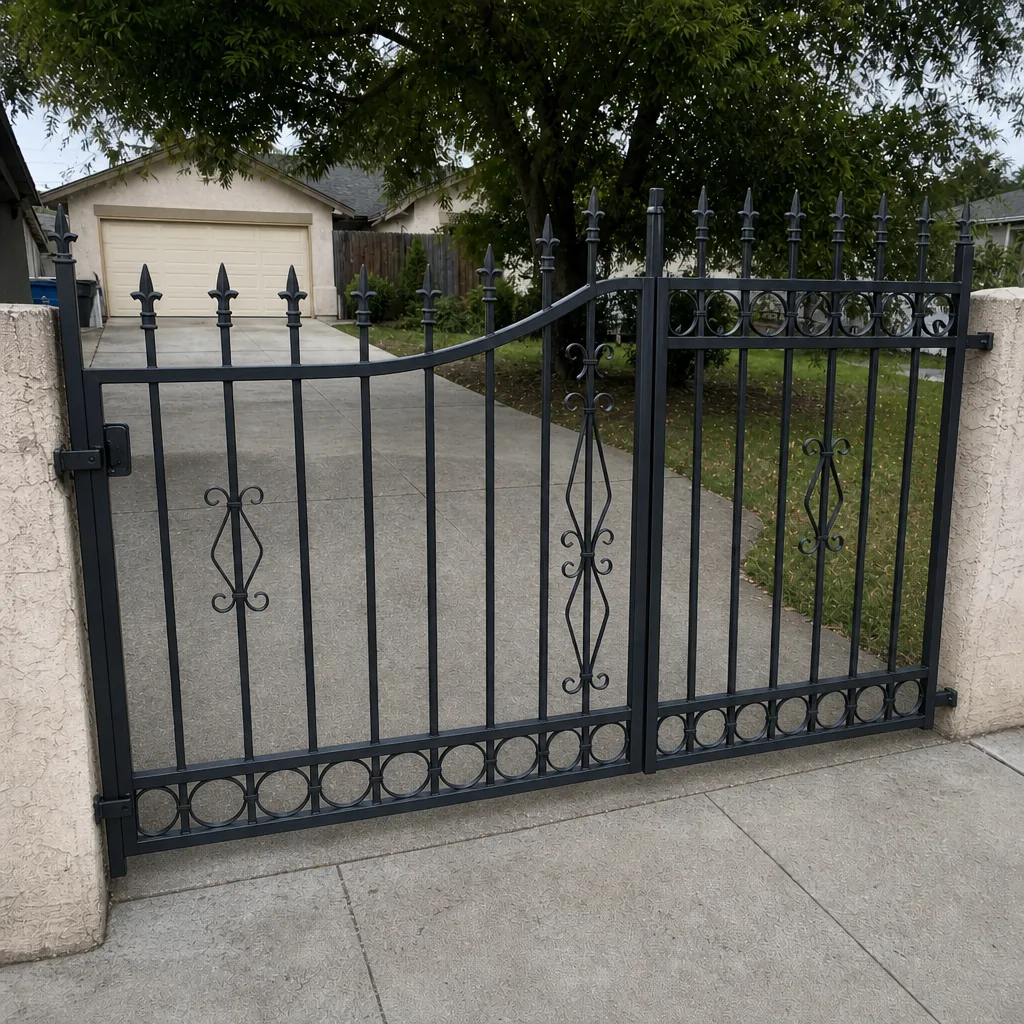 After
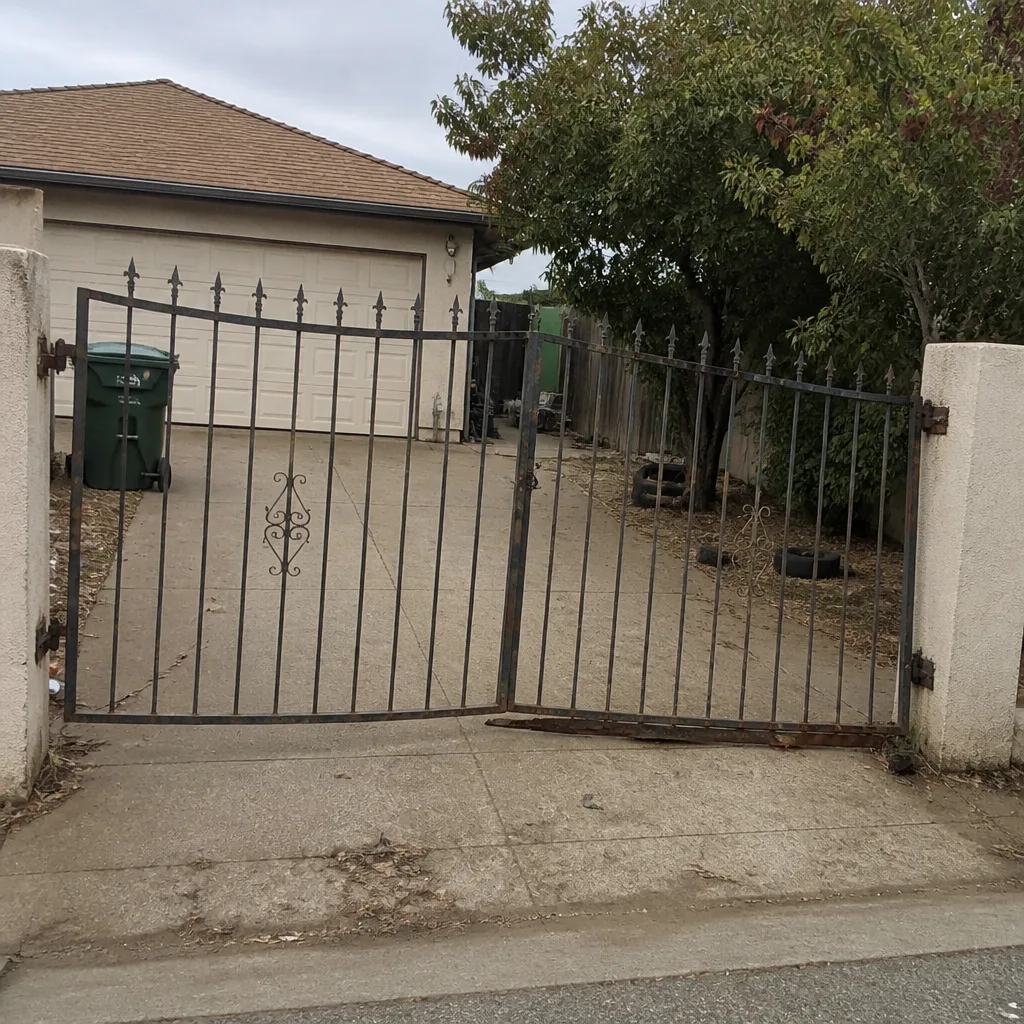 Before
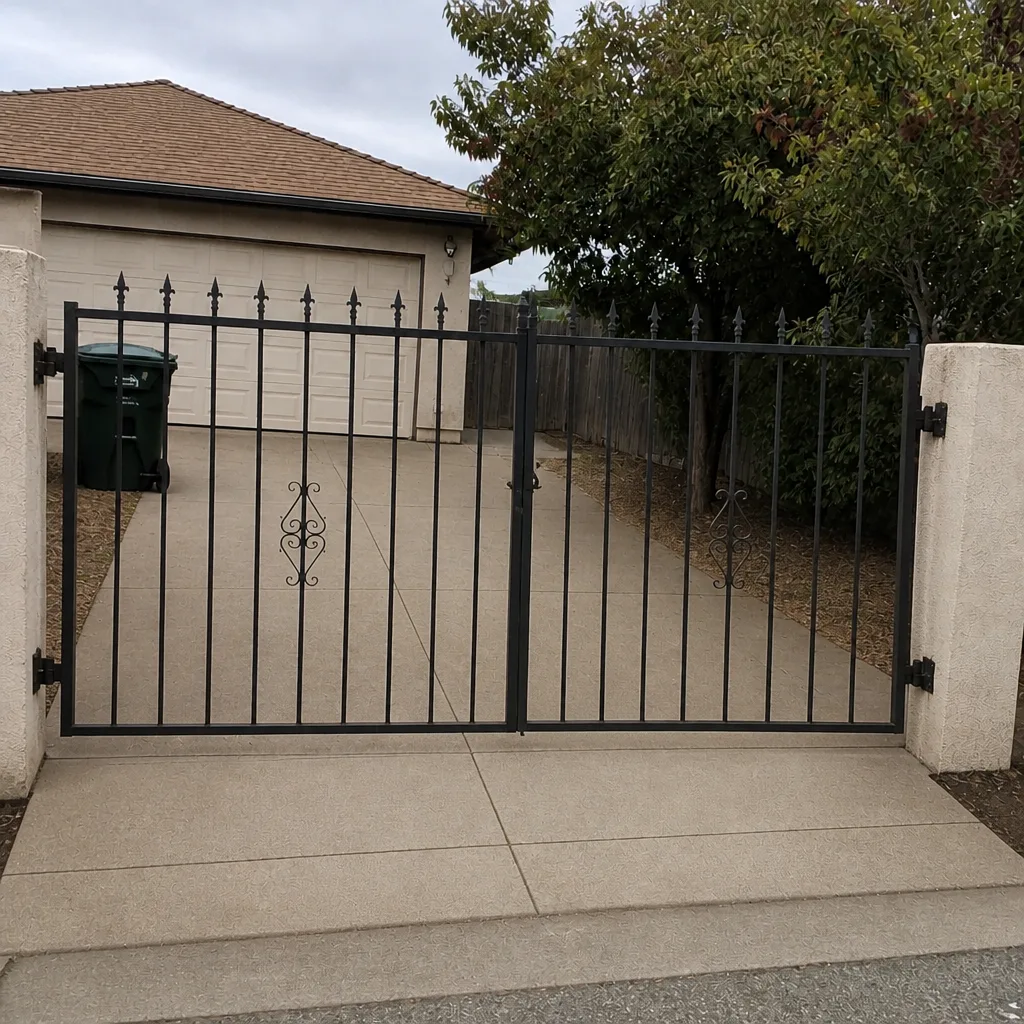 After
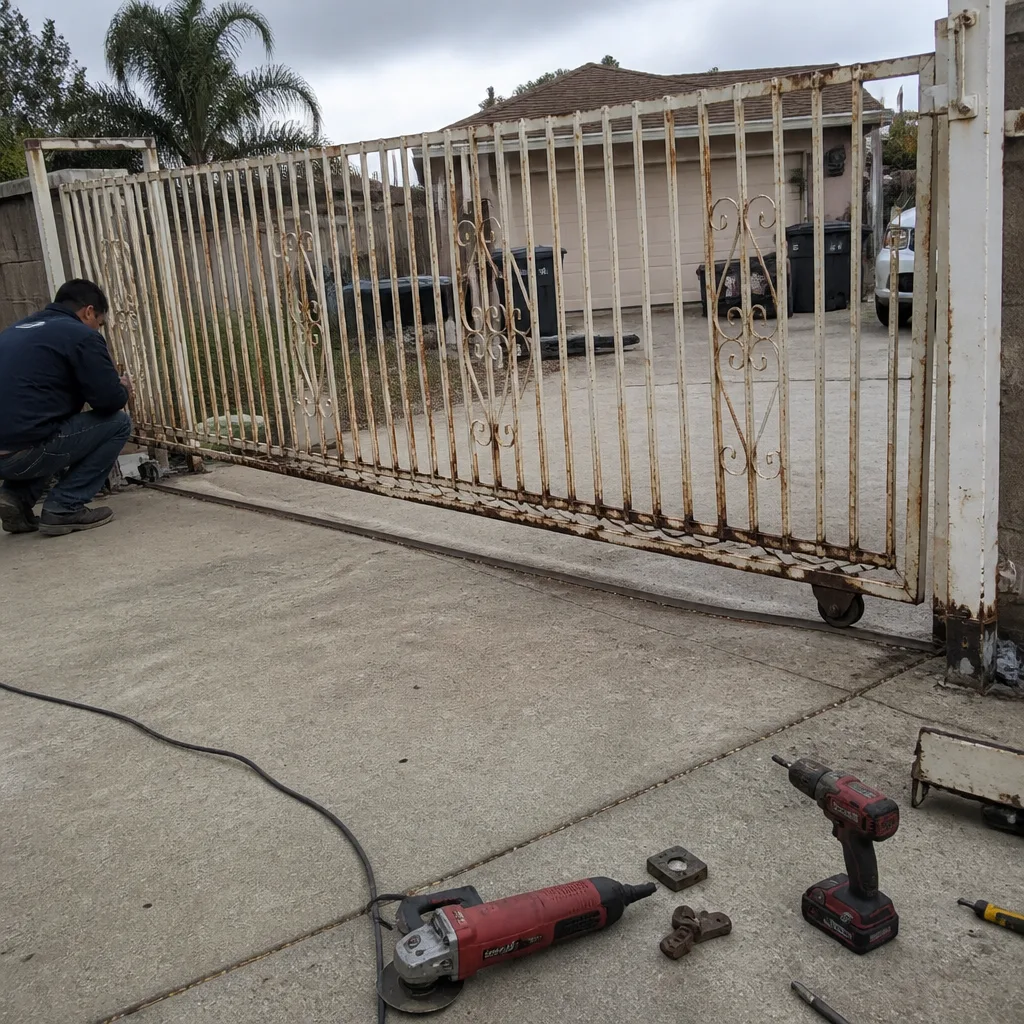 Before
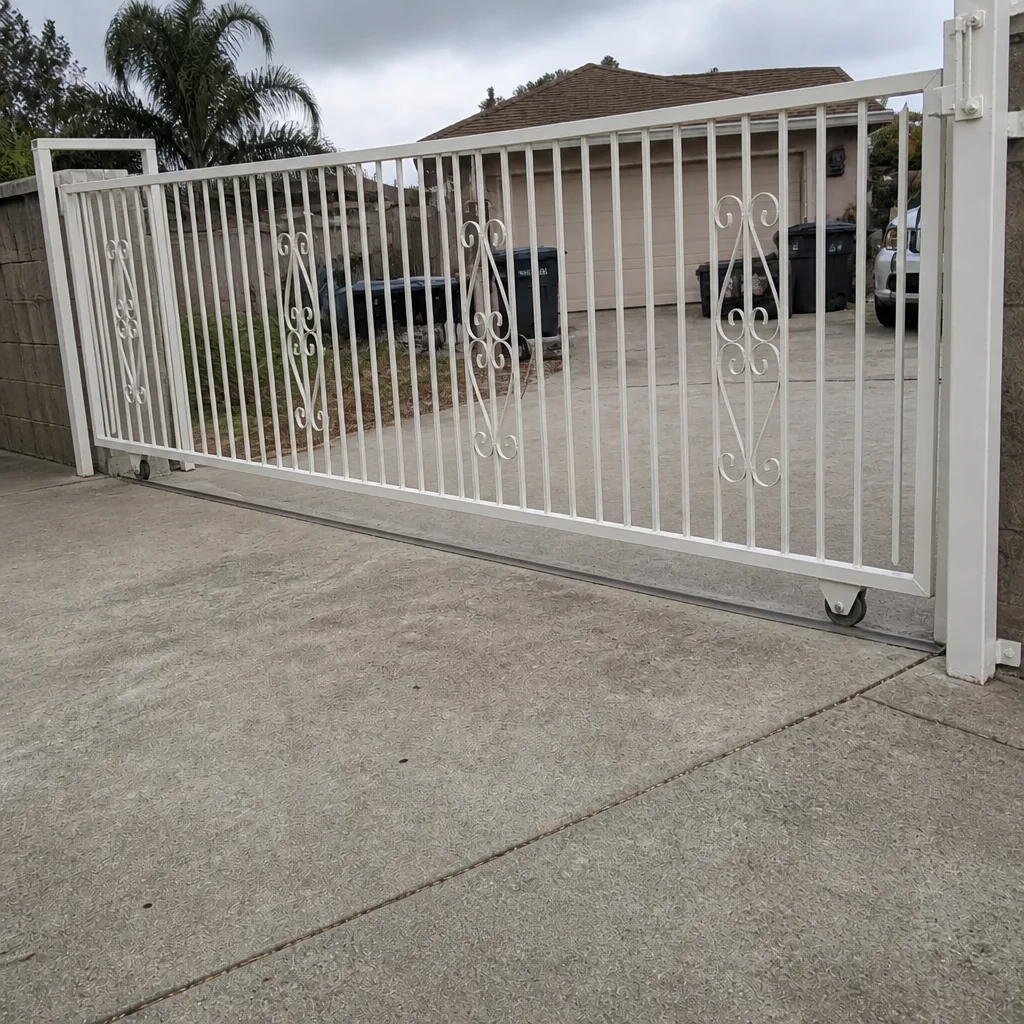 After
When to Call a Professional
Some gate issues are obvious: the gate won’t open, the operator hums and stops, or a post has shifted and the gate drags. Others are quieter. A missing photo eye, a sensor that’s mounted but not functioning, or an operator configured to ignore a safety input won’t announce itself until something goes wrong. If you’re planning a new installation, replacing an operator, or you’ve just bought a property with an existing gate and no paperwork, a professional assessment is the right first step. Gate entrapment protection is a safety matter, and the wiring and configuration work involved is not a DIY project. Our technicians have up to 15 years of experience with gate systems, and we can tell you what your gate needs and what the City of Tracy is likely to require. Gate Repair Tracy offers free estimates in Tracy. Call (844) 834-1771. We answer 24/7. Fast dispatch from 7am to 7pm, Sunday through Friday.
Frequently Asked Questions
In many cases, yes, especially if the replacement changes the safety configuration or involves new electrical connections. Operator replacements can count as an alteration to the gate system, which is why it’s worth calling the City of Tracy building department with the specifics of your job. Call (844) 834-1771 for an exact quote on the work itself. Estimates are free.
UL 325 is the safety standard for gate operators, and residential vehicular gates are subject to its entrapment protection requirements. That means your automatic gate should have functioning safety devices like photo eyes or edge sensors appropriate to its design. A gate specialist can assess what your system has and what it’s missing.
Inspectors typically check for photo eyes, edge sensors, and monitored secondary entrapment protection, and they’ll test that each device actually stops or reverses the gate. They’ll also review the wiring and electrical connections. The devices need to be present, mounted correctly, and wired into the operator.
You probably can’t tell by looking. The fastest path is to have a gate specialist assess the operator brand, model, and safety devices, then check with the City of Tracy on the permit history. From there you’ll know whether the gate needs new safety devices, a new operator, or both. Call (844) 834-1771 to schedule a free estimate.
It can complicate a claim, because insurers generally expect installed systems to be built to code. An unpermitted gate that lacks required safety devices puts you in a weaker position if a claim involves the gate. We can’t speak for any specific insurer, but permitted, compliant work is easier to defend.
California requires sellers to disclose known material facts about the property, and a non-compliant gate is a disclosure item. Buyers’ inspectors are increasingly aware of gate safety, so having the gate brought up to code and documented before listing avoids surprises at closing.
The Bottom Line
A gate in Tracy is a permanent, mechanical system on your property, and it’s held to a higher standard than a fence. Permits are often required for new installations, operator replacements, and structural repairs. UL 325 entrapment protection applies to residential vehicular gates, and inspectors will test for photo eyes, edge sensors, and monitored protection. Unpermitted work can weaken an insurance claim and complicate a sale. If you inherited a gate with no paperwork, get it assessed and bring it into compliance. Gate systems are safety equipment, and the right specialist makes short work of the compliance question. Call (844) 834-1771 for a free estimate. We answer 24/7. Fast dispatch from 7am to 7pm, Sunday through Friday.
Written by the team at Gate Repair Tracy.