
Last updated November 15, 2026
 Wrought iron
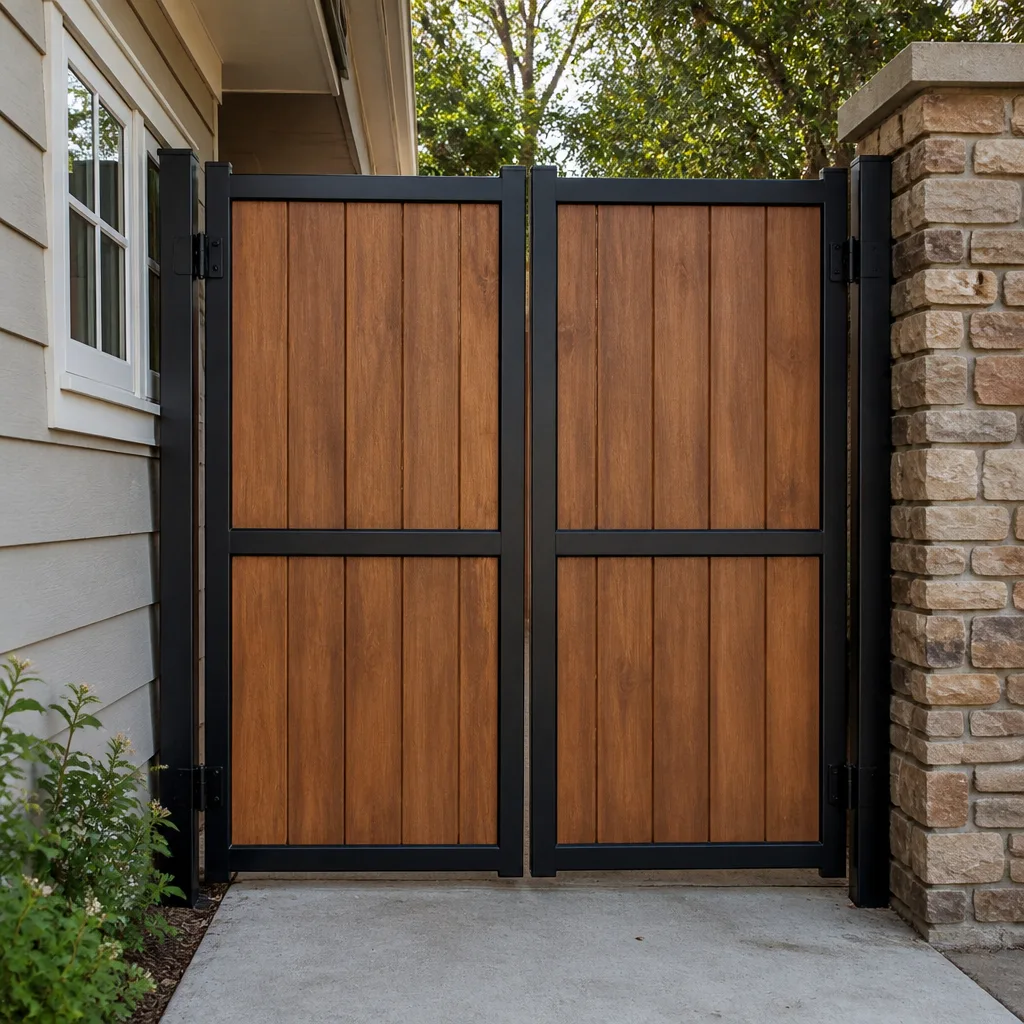 Wood & steel frame
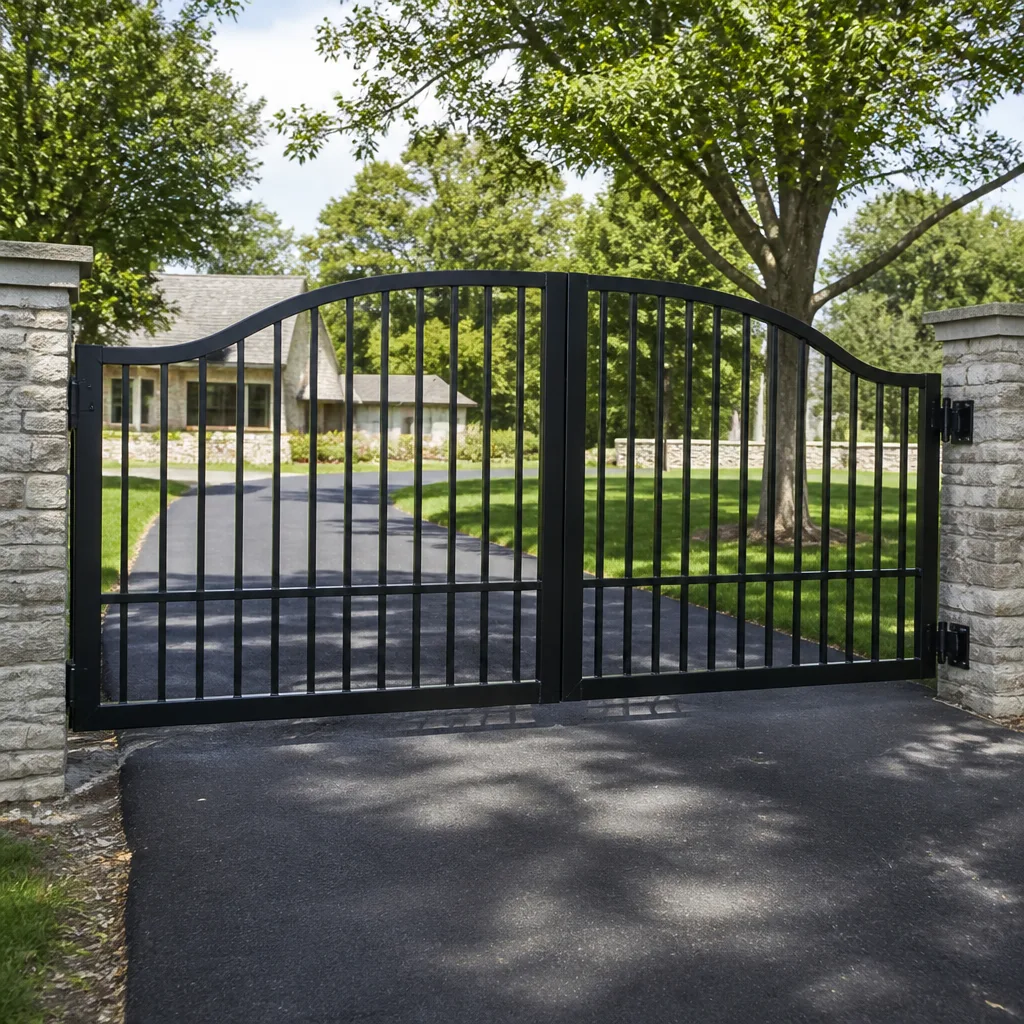 Farm & ranch
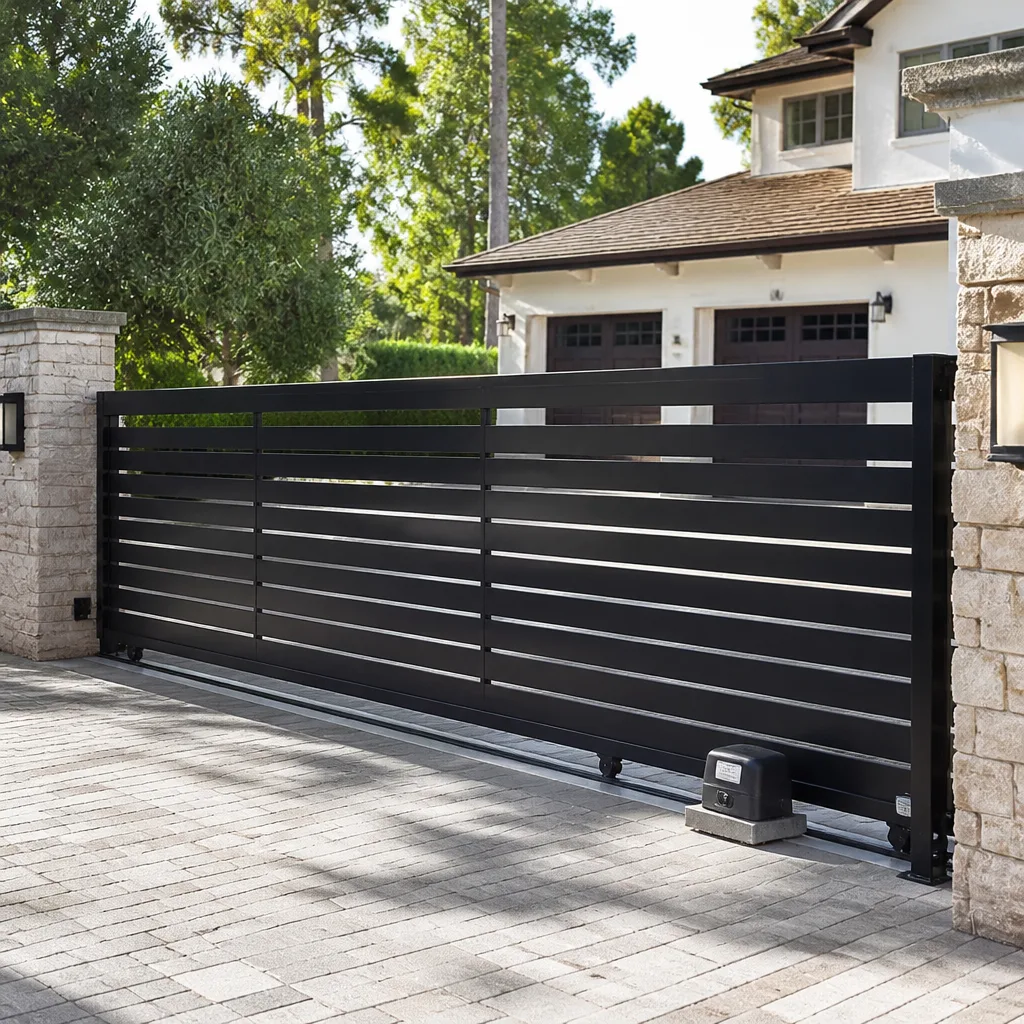 Sliding driveway gates
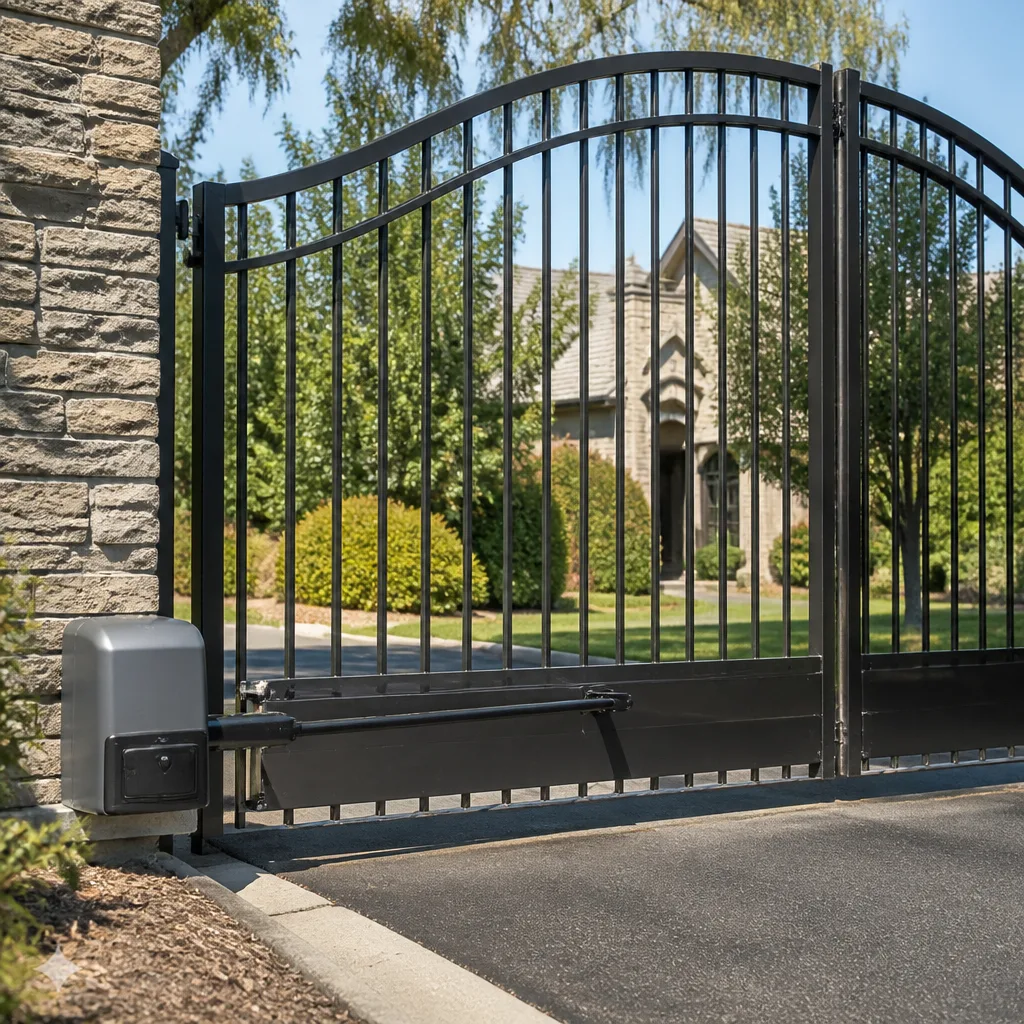 LiftMaster operators
Free on-site gate assessment - hinges, posts, and your LiftMaster or Nice gate operator checked before anything is quoted
The assessment is free and the quote is the invoice.
Get your free estimateGate Repair Cost Breakdown: The Tracy Homeowner’s Reference for 2026
The most expensive part of a gate repair is often not the broken component. It’s the panic premium- the rushed decision, the whatever-it-takes call, the operator swapped out because nobody explained which part actually failed. The same complaint (“the gate won’t open”) can mean a $90 sensor or a $1,900 operator, and most estimates never tell you which one you’re paying for. In this guide we map repair cost to specific failure types, show what 2026 pricing looks like in the Tracy market, and teach you to read an estimate the way a technician does. You’ll learn where the money goes, when to repair, and when to replace.
Quick Answer
Gate repair in Tracy typically costs $150-$350 for sensor and control fixes, $250-$650 for operator or motor repair, and $1,200-$2,600 for full operator replacement, depending on brand and gate type. Labor usually runs $85-$150 per hour, and the written estimate you approve before work starts is the final price. Brand matters: a Mighty Mule swap costs less than a FAAC or BFT replacement.
Styles & brands we work with
- Wrought iron
- Wood & steel frame
- Farm & ranch
- Sliding driveway gates
- LiftMaster operators
Table of Contents
- Why Gate Repair Costs Vary So Much
- Cost by Failure Type
- Labor Rates and What Drives Them
- Parts Markup: Reasonable vs. Inflated
- Repair vs. Replace: When the Math Tips
- Brand Cost Differences: FAAC and BFT vs. LiftMaster
- Tracy-Specific Factors That Affect Price
- How to Read a Gate Repair Estimate
Why Gate Repair Costs Vary So Much
A gate is a system, not a single part. When a gate stops working, the failure could live in the sensor, the control board, the operator motor, the wiring, the hinges, or the gate frame itself. Each of those has its own price band, and the symptom rarely tells you which one it is. That’s why two neighbors in Tracy can both say “my gate is broken” and get estimates $900 apart.
Here’s the diagnostic order we work through on a typical call:
- Safety devices first. Photo-eyes, safety edges, and loop detectors are the most common cause of a gate that reverses or refuses to close. These are usually the cheapest fixes.
- Control board and power. Boards fail from surges, moisture, and age. Diagnosis means testing inputs and outputs, not guessing.
- Operator and motor. Motor windings, gearboxes, and limit switches wear out. Some are serviceable; some aren’t.
- Structure and hardware. Sagging hinges, worn rollers, bent tracks, and cracked welds put drag on the operator, which then trips out or burns up.
- Wiring and access hardware. Keypads, remotes, intercoms, and buried low-voltage runs all sit in the chain.
Most high estimates we see get inflated at step two or three because the technician skipped step one. A failed photo-eye can mimic a dead control board. If the estimate replaces the board without testing the safety circuit, that’s a red flag. We handle electric gate repair as a core service, not a sideline, so this diagnostic sequence is daily work for us rather than an occasional call.
Cost by Failure Type
These are typical 2026 ranges for the Tracy market. They’re estimates, not quotes- the written estimate after diagnosis sets the final price. Costs assume a standard residential swing or slide gate; commercial and oversized gates run higher.
| Failure Type | Typical Cost Range | Notes |
|---|---|---|
| Safety sensor / photo-eye replacement | $150-$350 | Often the real cause of “gate won’t close” |
| Control board replacement | $300-$650 | Board cost varies widely by brand |
| Remote / keypad / receiver reprogramming | $95-$225 | Cheapest tier; sometimes a battery or pairing fix |
| Motor or gearbox repair | $350-$900 | Serviceable on some brands, sealed on others |
| Structural / weld / hinge repair | $250-$800 | Depends on gate material and access |
| Full operator replacement (residential) | $1,200-$2,600 | Brand and gate weight drive the spread |
| Commercial operator replacement | $2,500-$6,000+ | DoorKing, FAAC, BFT class; measured before quoting |
The key insight: repair pricing clusters by component, not by symptom. A homeowner who knows the five failure categories can ask a specific question- “Did you test the safety edge before quoting the board?”- and that question alone changes the conversation.
Labor Rates and What Drives Them
Labor in the Tracy market typically runs $85-$150 per hour for gate work, with most repairs billed at a flat rate per job rather than a stopwatch. That flat rate is what protects you: the price is quoted and agreed before any work starts, so a stubborn diagnosis doesn’t become your invoice.
What actually moves labor cost:
- Gate type. Slide gates often take longer to diagnose than swing gates because the track, rollers, and limit cams all interact.
- Access. A gate set on a long driveway with no power nearby means more cable work than one at the street.
- Brand familiarity. A technician fluent in the operator’s brand diagnoses faster. We’re trained on LiftMaster, FAAC, BFT, Linear, Viking, Ghost Controls, DoorKing, Elite, and Mighty Mule, and that range shortens the diagnostic window on both residential and commercial calls.
- Parts sourcing. Common residential operators are stocked locally; European commercial operators sometimes need to be ordered, which adds a scheduling step but not necessarily a labor premium.
- Two-technician jobs. Heavy commercial panels and large slide gates need a second set of hands for safety. That’s a labor cost, not an upcharge.
One thing we don’t do: premium-rate the urgency. A same-day dispatch and a scheduled repair are quoted the same way, per job, from the written estimate. If your gate fails and you call us, we’ll tell you what a realistic timeline looks like rather than inflating the price to jump the line. We answer 24/7. Fast dispatch from 7am to 7pm.
Parts Markup: Reasonable vs. Inflated
Most gate repair estimates include a parts line with a markup over wholesale. A normal markup is roughly 20-50% to cover sourcing, warranty handling, and the risk of a return. Markups of 100% and up are where estimates start to look opportunistic- and a 300% markup is worth walking away from.
How to spot an inflated part price:
- Ask for the part number. A legitimate estimate names the part or operator model. Vague descriptions like “gate motor assembly” hide price.
- Check the number online. You don’t need to buy the part yourself, but a 60-second search tells you whether the quote is in the ballpark.
- Watch for “must replace the whole operator” without a diagnostic. If the technician didn’t test the board, the sensor, and the motor separately, ask why the whole unit is the answer.
- Look for bundling. A board replacement that also quietly adds a new transformer, receiver, and harness when none failed is a padded estimate.
- Confirm what the price includes. Removal, hauling, programming, and testing should be in the line item, not surprise additions later.
Honest framing on our end: repair or replace, we’ll tell you which one makes sense. If a $180 sensor solves the problem, that’s the estimate you get, even if a new operator would be more profitable.
Repair vs. Replace: When the Math Tips
The rule of thumb most gate technicians use: when a repair quote approaches half the cost of a new operator, and the existing unit is past the middle of its service life, replacement is usually the better long-term spend. That’s not a sales pitch- it reflects the reality that a repaired unit at that stage tends to fail again on a different component within a year.
Replacement tips the balance sooner when:
- The operator is discontinued. Parts availability becomes the bottleneck, and a $400 repair on an unsupported unit can leave you stuck again.
- The control board has been replaced before. A second board failure usually signals a deeper electrical problem- surge, bad ground, or failed power supply- that a new board won’t cure.
- The gearbox is failing. Sealed gearboxes on some residential operators aren’t serviceable; the whole motor or operator goes.
- The gate itself is worn out. If sagging hinges, bent tracks, or a cracked frame are putting drag on a healthy operator, the fix is structural, not electrical.
- Safety devices are obsolete. Older operators sometimes predate modern photo-eye and safety-edge standards. Upgrading the operator brings the safety system with it.
Replacement stays in place when the operator is current, the brand is supported, and a single failure is isolated. For a LiftMaster residential operator with a failed receiver, the sensible call is usually repair. For a Mighty Mule unit on its second board, replacement is the honest answer.
Brand Cost Differences: FAAC and BFT vs. LiftMaster
Brand drives the price spread more than any other factor. Replacing a residential LiftMaster operator typically lands in the lower end of the $1,200-$2,600 range. Replacing a FAAC or BFT operator- European commercial-grade systems used on larger swing, slide, and barrier gates- usually runs higher, often into the $2,000-$4,000 tier depending on gate size and access hardware.
Why the premium, and when is it justified?
- Parts cost. FAAC and BFT components are imported and less common in the US residential market. The base cost of the operator and its boards is simply higher than a domestic LiftMaster equivalent.
- Gate weight and duty cycle. These operators are designed for continuous-cycle commercial use: heavier gates, more cycles per day, underground or articulated arms. The price buys durability that a light-duty residential operator can’t match.
- The premium is justified when: the gate is heavy, cycles are frequent (apartments, HOAs, commercial entries), or the site already runs a FAAC or BFT operator and the surrounding hardware is built around it.
- The premium is NOT justified when: the gate is a standard residential driveway gate cycling a few times a day. A LiftMaster or Linear equivalent will do the job for less.
On the opposite end, homeowners who installed their own Mighty Mule or Ghost Controls system often find that repair is straightforward and stocked parts are widely available. Because we work on all nine major brands- from Mighty Mule residential units to FAAC and BFT commercial operators- we can quote the honest option rather than the one brand we happen to carry.
Tracy-Specific Factors That Affect Price
Gate pricing in Tracy isn’t shaped by weather the way it is in harsher climates, but local factors still move the estimate:
- Power access at the gate. Rural parcels and long driveways around Tracy often need a longer low-voltage run to feed the operator or safety devices. That’s cable, conduit, and labor, and it shows up in the estimate.
- Soil and footing on post-mounted gates. Loose or sandy ground means posts need a proper footing depth and sometimes more concrete. Farmers and rural property owners in Tracy feel this more than subdivision homeowners.
- Gate material. Ornamental iron and heavy wood gates carry more weight, which changes the operator class and the price. Chain-link and aluminum are lighter and cheaper to automate.
- Permits and inspections. Most cities require a permit for a new gate installation or significant electrical work; the fee is separate from the repair estimate. Check with the City of Tracy building department before a new install. Repairs to existing hardware typically don’t need a permit.
- Neighborhood access. Gated communities and HOA properties sometimes add coordination steps (gate schedules, access codes, notice requirements) that a standalone residential install doesn’t.
None of these is a hidden charge. They’re the reason two estimates in Tracy can differ and both still be honest. The written estimate should itemize each one so you can see what you’re paying for- that’s the kind of pricing transparency our gate repair work is built on.
How to Read a Gate Repair Estimate
A good estimate is diagnostic, not descriptive. It tells you which component failed, what it costs to fix, and what happens if you don’t. Here’s the checklist we recommend to every Tracy homeowner before signing:
- Diagnosis stated up front. The estimate should name the failed part or system, not just “repair gate.”
- Labor and parts broken out. A single lump-sum number hides markup. Expect separate lines.
- Brand and part number listed. “Replacement motor” is vague; “LiftMaster [model]” is specific.
- Safety devices addressed. If safety edges or photo-eyes were part of the failure, the estimate should confirm they were tested and, where needed, replaced.
- Estimate is written, not verbal. Verbal numbers change on the invoice. Get it in writing.
- Approval happens before work. The price is quoted and agreed before any technician starts. If the estimate is not signed and approved first, ask why.
- Warranty and follow-up noted. Even if warranty terms are simple, the estimate should say what happens if the same fault returns.
If you’re weighing a new system rather than a repair, the same logic applies to a first install: the measure and written price come before any commitment. Our Gate Repair Tracy team handles both repair and new installation, so you’re not handing off between contractors when the decision flips from fixing to replacing.
Common Mistakes to Avoid
- Skipping the safety-circuit test. A failed photo-eye can mimic a dead board. If a technician quotes the board without testing the sensors first, ask for the test result before approving.
- Accepting a verbal estimate. Verbal numbers shift. A written estimate protects you and makes the final invoice predictable.
- Ignoring the gate structure. A sagging hinge or bent track puts drag on a healthy operator, which then burns out. Fix the drag before the motor fails.
- Paying an emergency premium for a scheduled job. If your gate is misbehaving but not stuck, waiting for a scheduled visit usually costs the same per job, not less- but you avoid urgency-driven decisions. Call Tracy dispatch and ask what’s realistic.
- Replacing an operator that just needs a part. On discontinued models it can be the right call; on a current LiftMaster or Linear unit, it’s usually not.
- Using a general handyman for electric gate work. Gate operators, control boards, and buried low-voltage wiring are their own trade. A generalist who “also does gates” tends to guess on diagnosis.
- Not asking what happens if the first repair doesn’t stick. The estimate should say how a repeat fault is handled.
See the difference
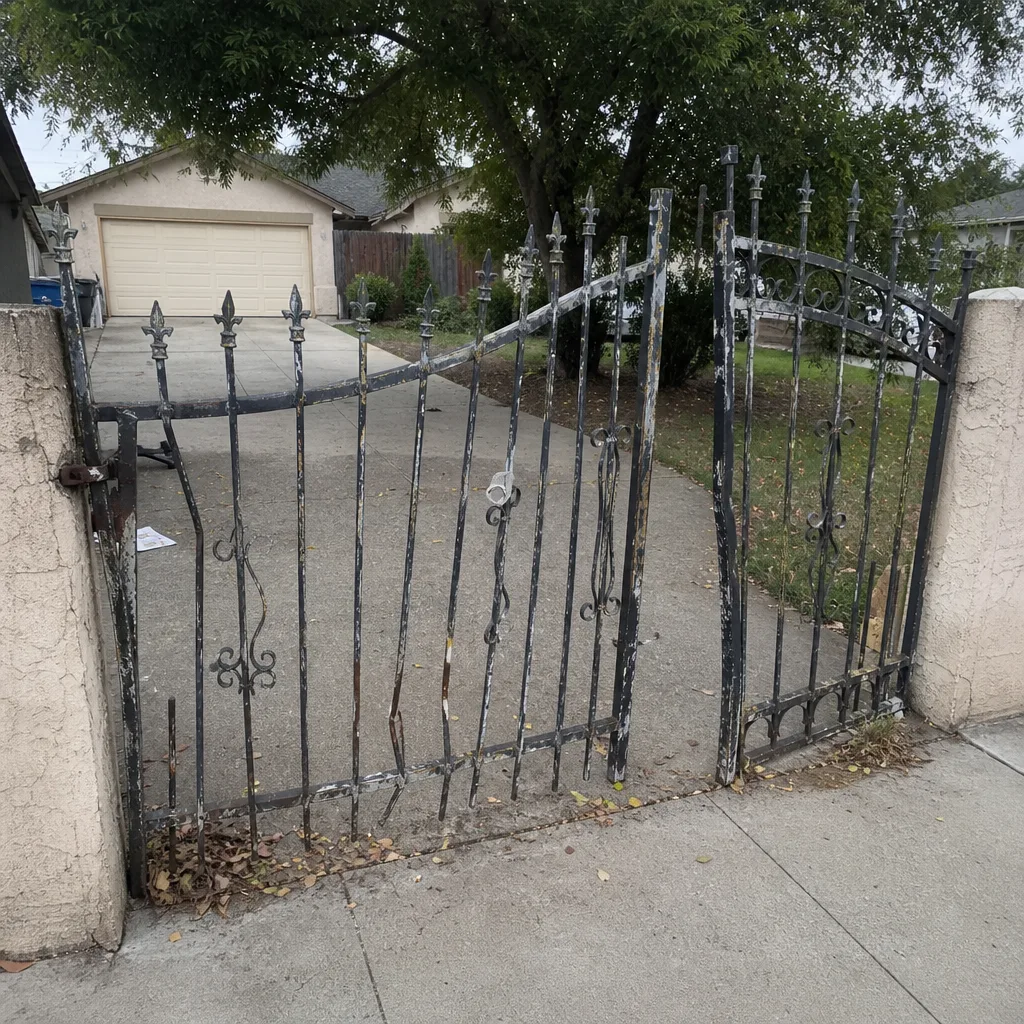 Before
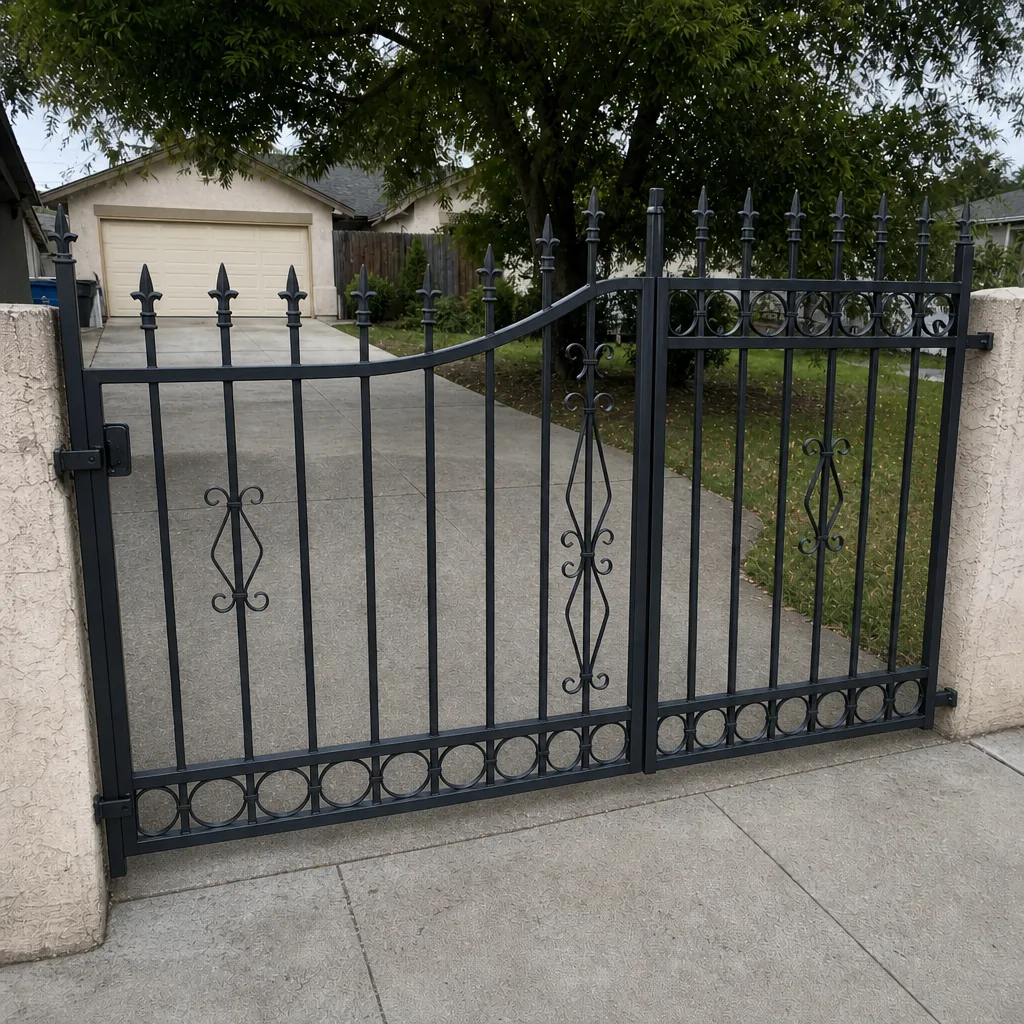 After
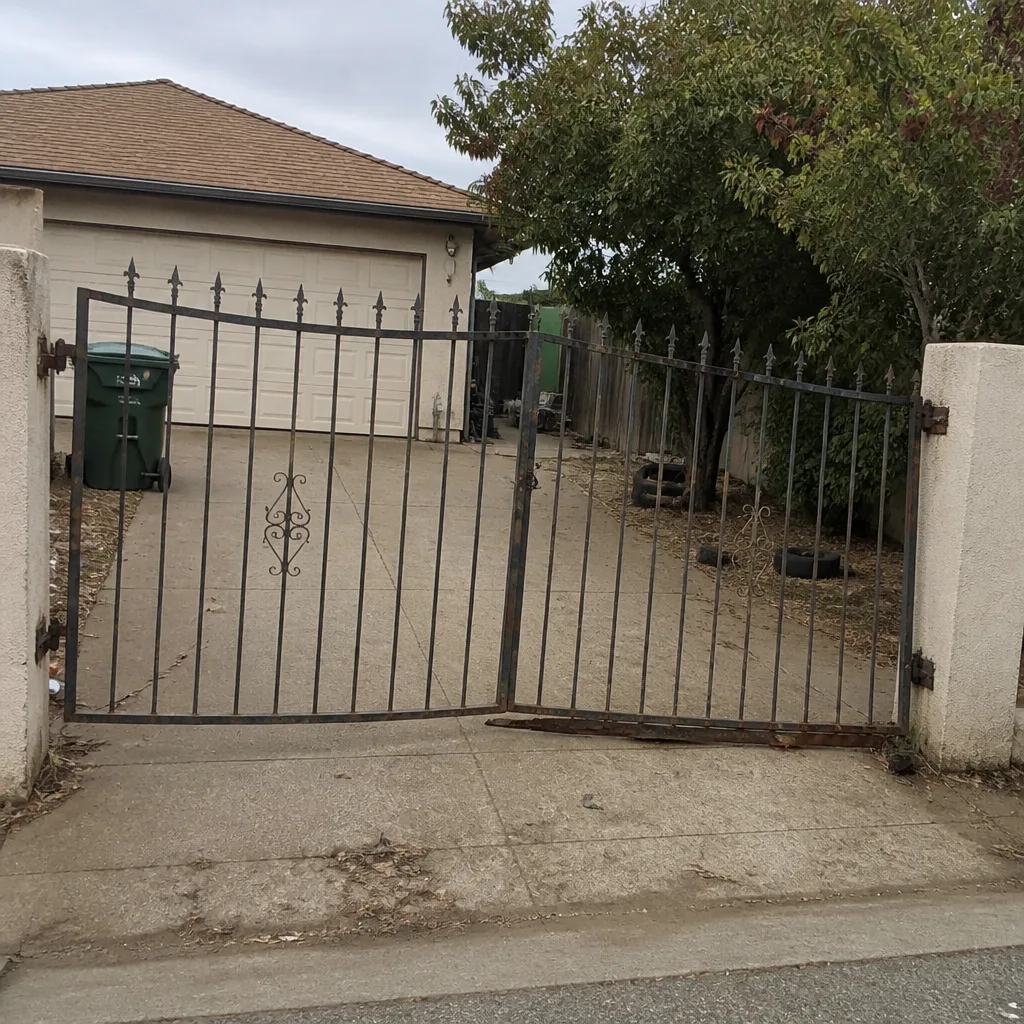 Before
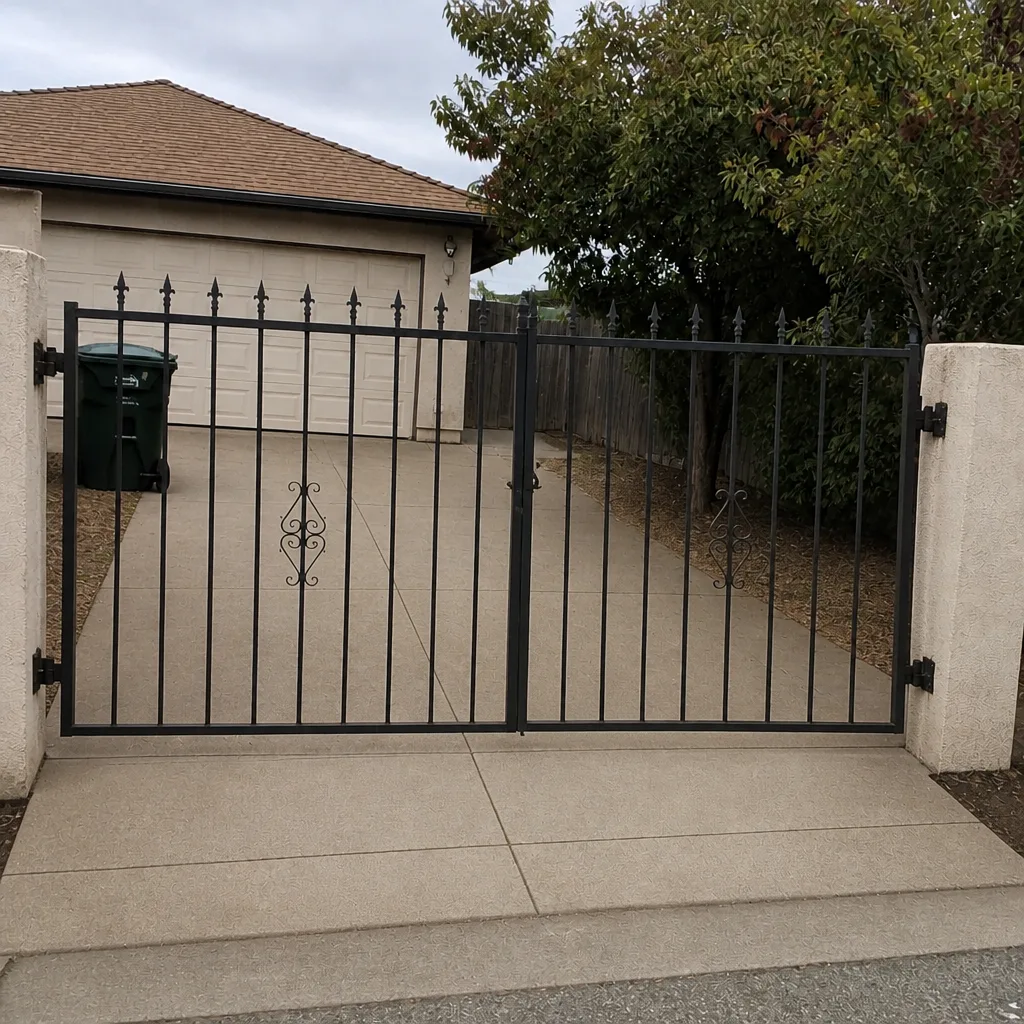 After
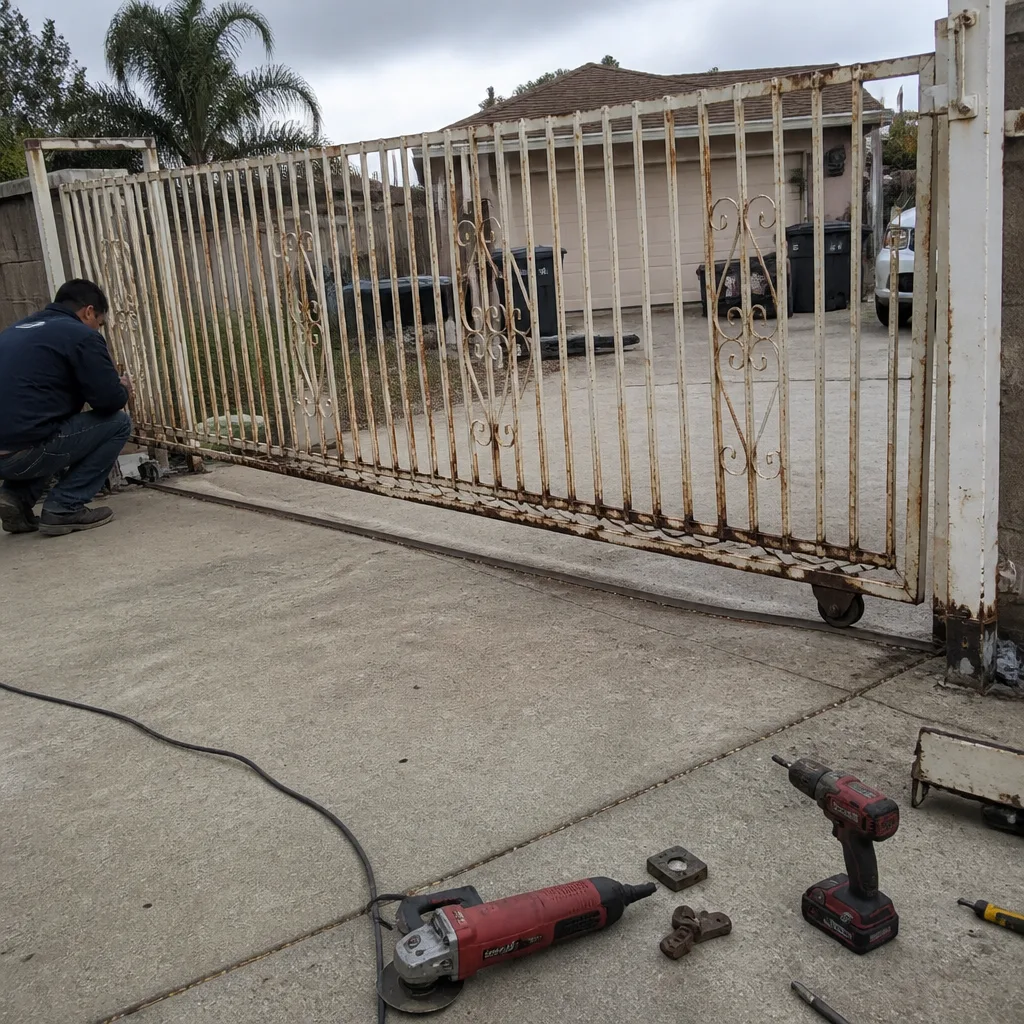 Before
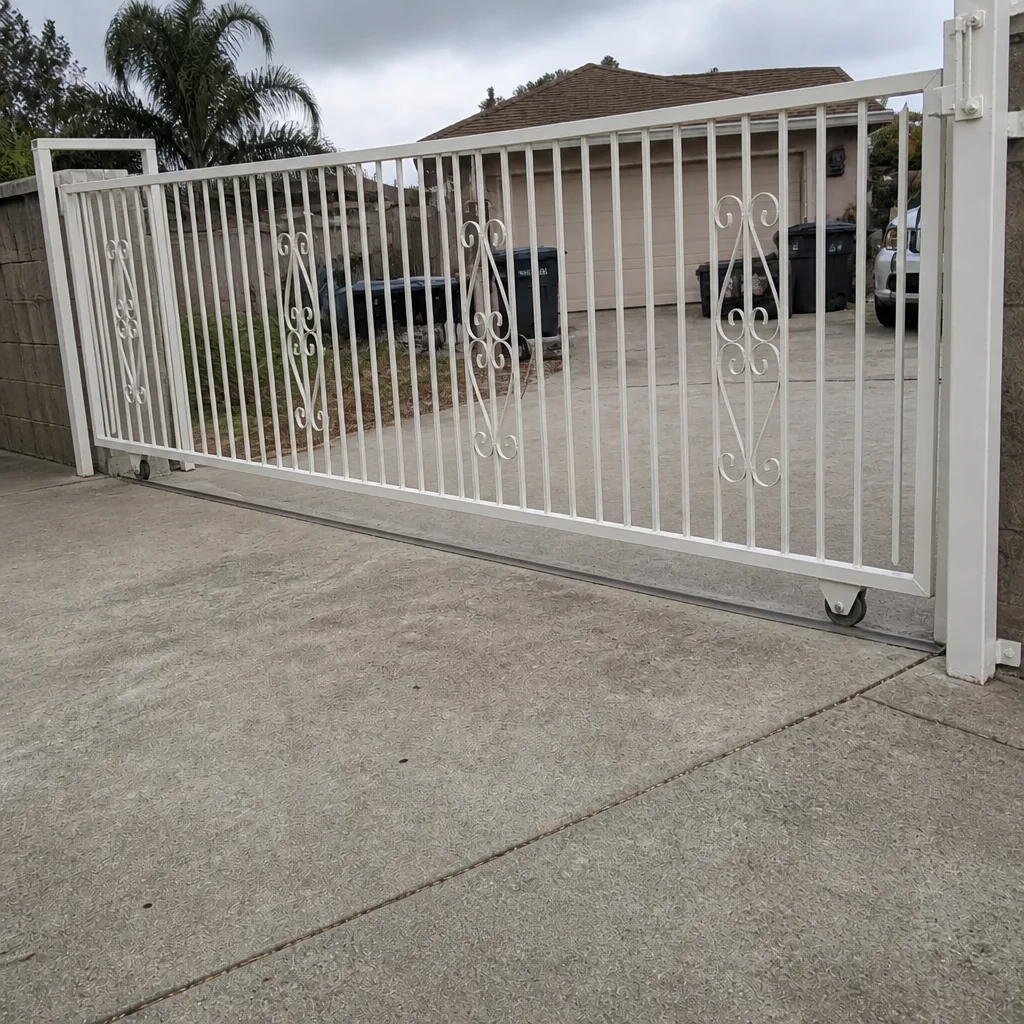 After
When to Call a Professional
Call a gate specialist when the gate reverses, refuses to close, or stops mid-travel; when the safety edge or photo-eye is damaged; when the operator clicks, hums, or trips a breaker; when the gate sags, drags, or comes off its track on a slide; or when the operator’s control board, wiring, or power run needs diagnosis. Those are safety and electrical matters, and they’re worth a trained eye. Opening the operator housing or working around a live power feed is not a homeowner task- a gate operator carries line voltage, and the safety devices exist because heavy gate panels can cause serious injury. Don’t disable them to make the gate close. Gate Repair Tracy offers free estimates in Tracy- call (844) 834-1771. We answer 24/7. Fast dispatch from 7am to 7pm. Our technicians have up to 15 years of experience, and the estimate is free.
Frequently Asked Questions
Typical 2026 gate repair in Tracy runs $150-$350 for sensor and control fixes, $250-$650 for operator or motor repair, and $1,200-$2,600 for full residential operator replacement. Labor averages $85-$150 per hour, quoted as a flat rate per job. The written estimate sets the final price and is agreed before any work starts. Call (844) 834-1771 for an exact quote.
Often yes. Fast dispatch from 7am to 7pm, Sunday through Friday, and we answer 24/7. Call (844) 834-1771 and we’ll tell you the soonest realistic window for your gate. Same-day work doesn’t cost more than a scheduled visit; the price is set per job from the written estimate.
FAAC and BFT operators are European commercial-grade systems with imported parts and higher base cost, designed for heavier gates and more cycles per day. LiftMaster and Linear residential operators typically run less because the component cost is lower. If your gate is a light residential drive gate, the LiftMaster-class option is usually the sensible one. If you’re running a heavy or high-cycle gate, the FAAC or BFT premium buys durability that a lighter unit can’t. Call (844) 834-1771 and we’ll compare the two options for your gate.
Ask for the part number and compare it online- a normal markup is roughly 20-50%, while 100% or more is worth a second look. A legitimate estimate also names the failed part, not just “repair gate,” and confirms the safety circuit was tested before quoting a board or full operator. Call (844) 834-1771 for a second opinion; the estimate is free.
Replace when the repair quote approaches half the cost of a new operator and the existing unit is past mid-life, when the operator is discontinued and parts are scarce, when the control board has already failed once, or when the gate itself is worn and dragging. Repair stays the right call when the operator is current and a single component failed. Our technicians will tell you which route makes sense before you commit. Call (844) 834-1771 for a free estimate.
Yes. We work on DIY-installed residential systems like Mighty Mule and Ghost Controls as well as commercial-grade operators like FAAC, BFT, and DoorKing, plus LiftMaster, Linear, Viking, and Elite. The estimate process is the same for either: we measure, diagnose, and put the repair or replacement in writing before any work starts. Call (844) 834-1771 to book an estimate.
The Bottom Line
Gate repair pricing in Tracy isn’t arbitrary- it tracks the failed component, the labor behind diagnosing it, and the brand of operator on your gate. The same “won’t open” symptom can cost under $200 for a sensor or well over $1,500 for a full operator, and the honest estimate names which one you’re paying for. Use the ranges in this guide as your benchmark, demand a written estimate before work starts, and ask whether the safety circuit was tested before a big-ticket part was quoted. From Mighty Mule to FAAC, our team is ready to quote the right fix. Call (844) 834-1771 for a free estimate. We answer 24/7. Fast dispatch from 7am to 7pm.
Written by the team at Gate Repair Tracy.