
Last updated November 15, 2026
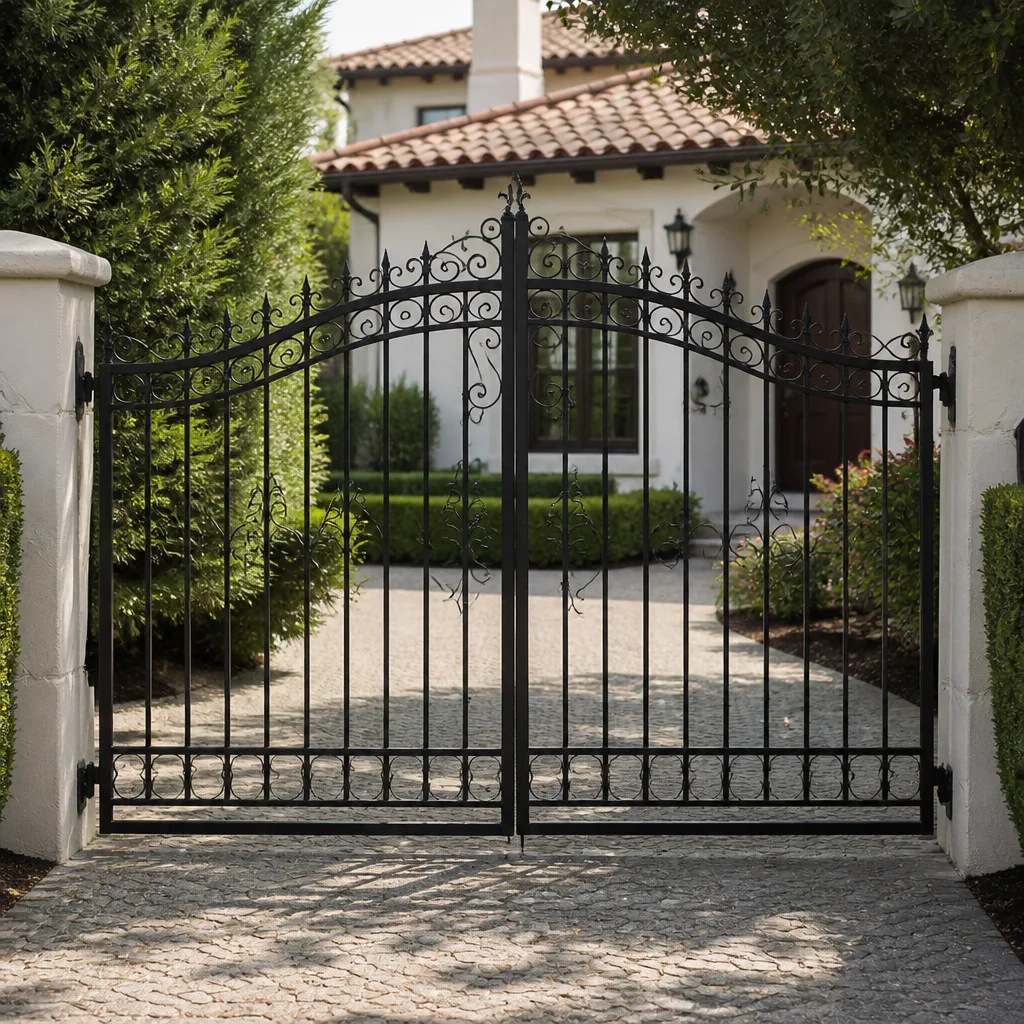 Wrought iron
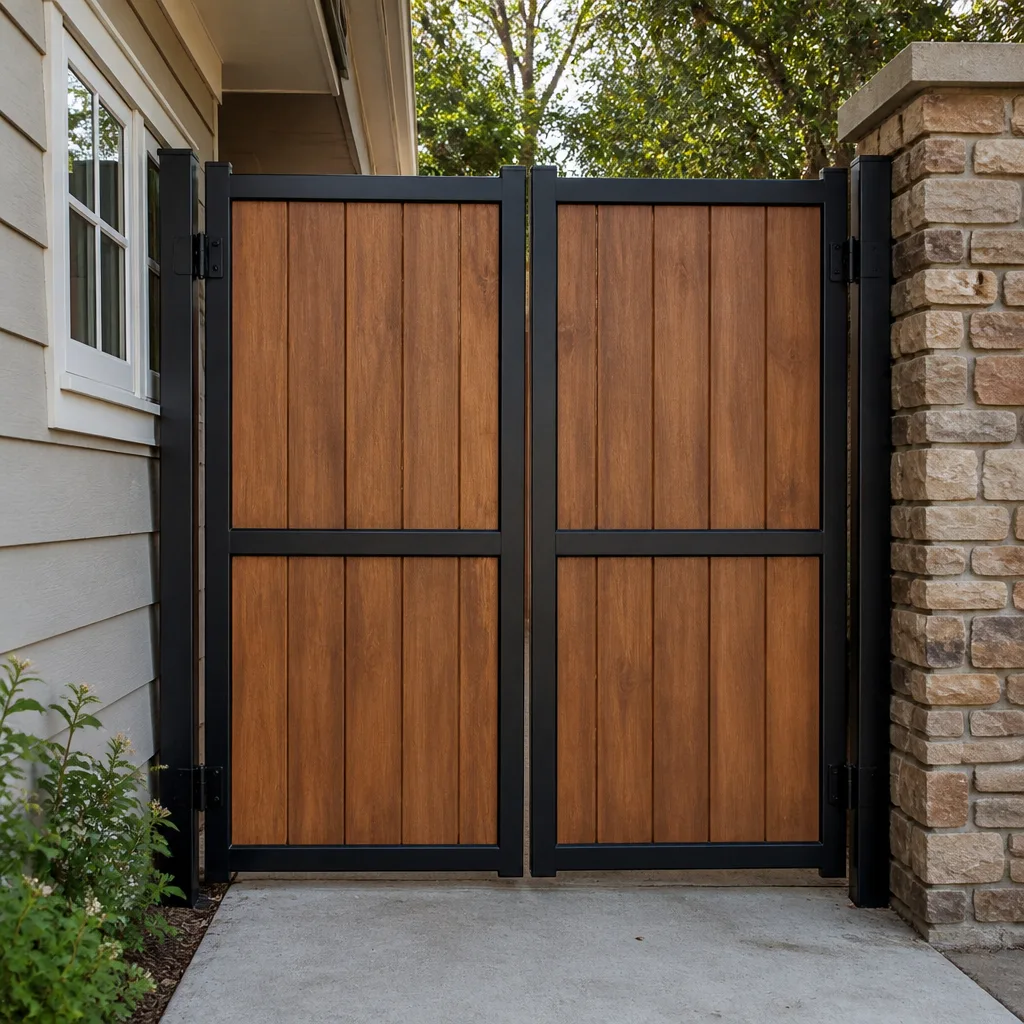 Wood & steel frame
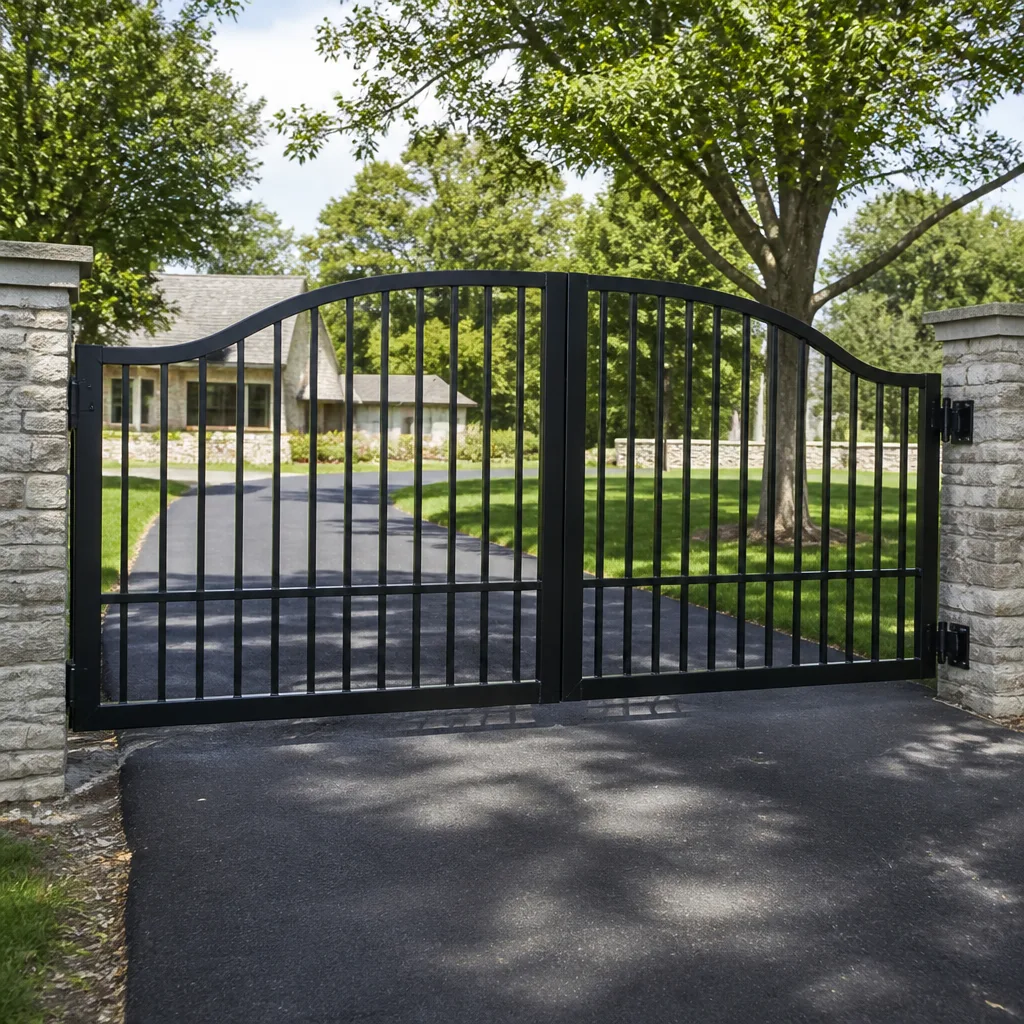 Farm & ranch
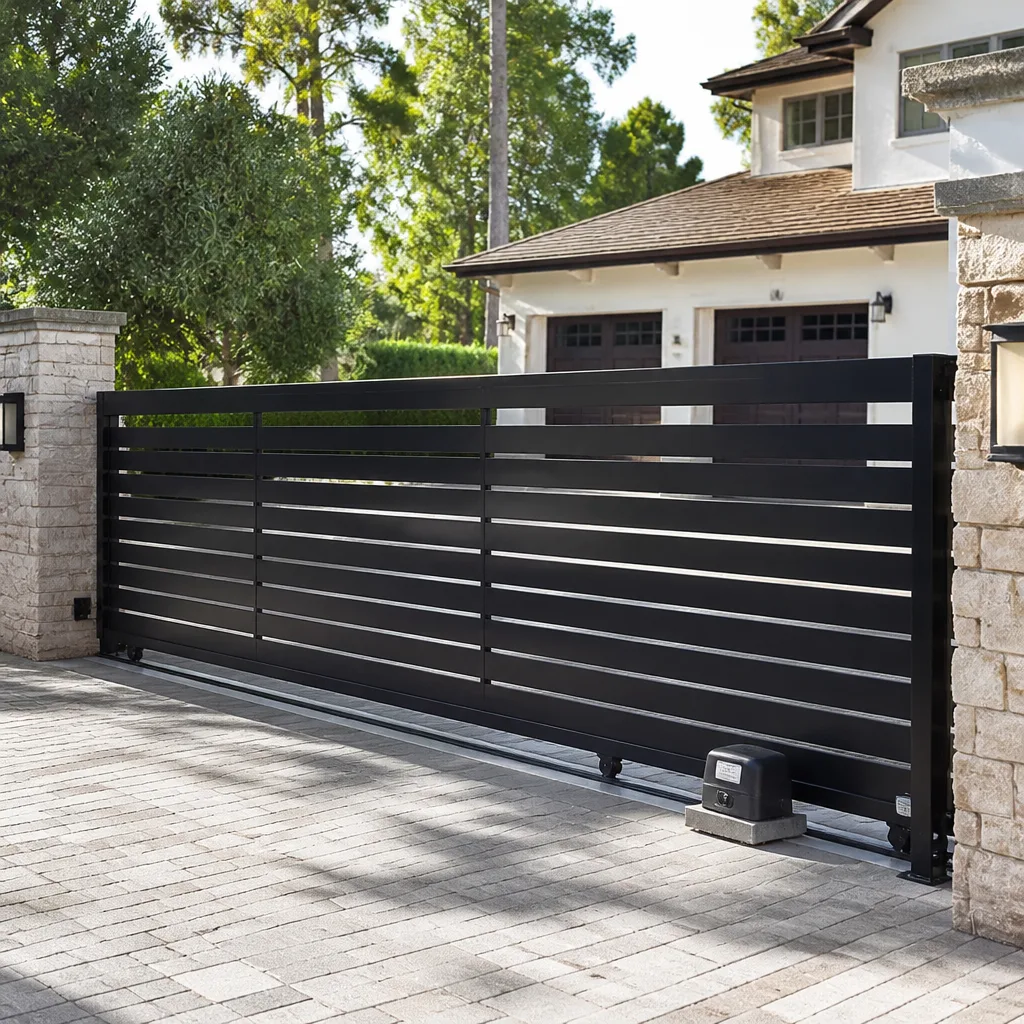 Sliding driveway gates
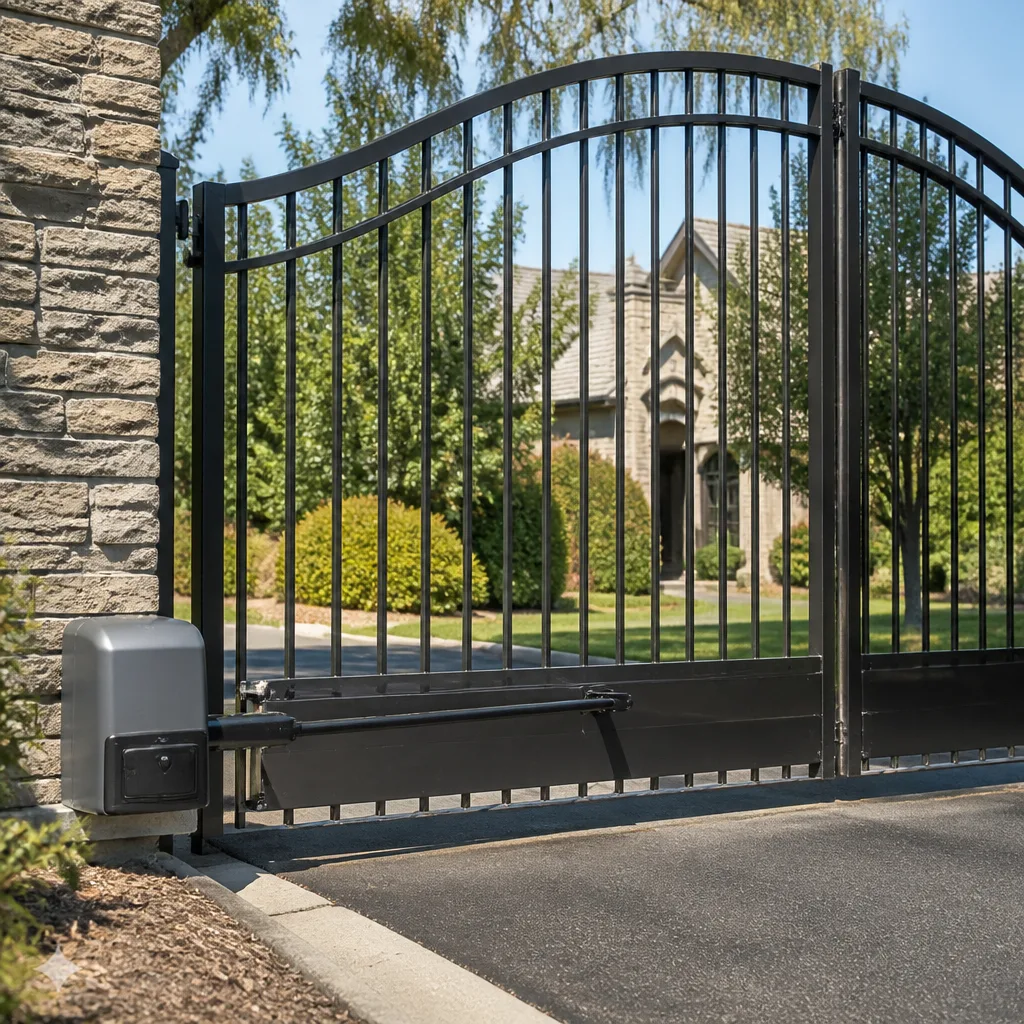 LiftMaster operators
Free on-site gate assessment - hinges, posts, and your LiftMaster or Nice gate operator checked before anything is quoted
The assessment is free and the quote is the invoice.
Get your free estimateChoosing the Right Gate Repair Brand: A Buyer’s Guide for Tracy
Most gate buyers pick a brand by the look of the remote or the logo on the box at the home store. That’s a marketing decision, and it’s the reason so many automatic gates in Tracy end up mismatched to the job within a few years. A residential operator that’s rated for a handful of cycles a day will fail fast on a property with steady traffic, and the homeowner rarely connects the breakdown to the original purchase. Choosing a brand is an engineering decision: match the operator to the duty cycle, the gate’s weight and length, and what happens when a part wears out. This guide walks through duty-cycle math, brand positioning, parts availability in the Central Valley, smart-home integration, and five-year ownership cost so you can choose with your eyes open.
Quick Answer
There’s no single best gate operator brand in Tracy. The right brand depends on your gate’s daily cycle count, its size and weight, and how fast you can get parts when something fails. For a light residential swing gate, an entry-level brand like Mighty Mule or Ghost Controls is often enough. For heavy residential or commercial use, professional-grade operators from LiftMaster, FAAC, BFT, or DoorKing hold up better. The buyer’s real job is matching the operator classification to the actual workload, not chasing a name.
Styles & brands we work with
- Wrought iron
- Wood & steel frame
- Farm & ranch
- Sliding driveway gates
- LiftMaster operators
Table of Contents
- Duty Cycle Math: The Number That Decides Everything
- Brand Positioning Mapped to Real Use Cases
- Local Parts Availability in the Central Valley
- Connectivity and Smart Home Integration, Minus the Marketing
- Total Cost of Ownership Over Five Years
- Why Installation Quality Beats Brand Reputation
- Repair or Replace: How We Diagnose the Choice
- Safety and Electrical: What a Gate Brand Can’t Do For You
Duty Cycle Math: The Number That Decides Everything
Duty cycle is how much work an operator is built to do in a given period, usually expressed as a percentage of time it can run or a rated number of cycles per day. A cycle is one complete open plus one close. Most residential operators are rated for something like 10 to 20 cycles a day; commercial-grade operators are rated far higher. Put a light-duty residential operator on a property that opens 40 times a day and you’re running it at five times its rating. That operator will fail inside a couple of years, and no amount of brand loyalty changes the math.
Here’s how to work out your own number before you shop:
- Count how many times a vehicle or person needs the gate to open on a normal day. Include delivery drivers, family members, and any scheduled visitors.
- Multiple by the number of households or tenants sharing the gate. A four-unit property multiplies the count fast.
- Add extra cycles for any automated entry, intercom calls, or gate-free pedestrian access that triggers the operator.
- Compare your total to the operator’s rated cycles per day. If you’re close to or over that number, step up to the next class.
- Factor in wind. A wider or taller gate catches more wind, which puts more load on the operator and shortens its life.
We work on gate automation systems in Tracy every week, and the most common mismatch we see is a light residential operator on a multi-unit property. The second most common is a swing gate operator on a slide gate, which is a different mechanism entirely and a different duty classification. When you’re pricing operators, ask for the rated cycles per day in writing. A salesperson who can’t tell you that number is selling you a logo, not an operator.
For a single-family home with a driveway gate in Tracy’s established neighborhoods, a light-to-medium operator is usually correct. For a rental property near the downtown core with multiple tenants, or a commercial lot off Grant Line Road, you’re in heavy residential or commercial territory. That’s the single biggest fork in the brand decision.
Brand Positioning Mapped to Real Use Cases
We’re experienced with nine major gate brands, which means we can look at a gate and tell you which operator class fits rather than steering you toward whatever we happen to stock. That range matters because brand reputation is only meaningful relative to the job. A brand that’s excellent for a light residential driveway can be the wrong choice for a busy commercial entrance, and vice versa.
Light residential: Mighty Mule and Ghost Controls
These brands make DIY-friendly residential operators that are common on single-family driveways. Ghost Controls is popular for solar-capable installations where running power to the gate is awkward. Mighty Mule is a familiar name on entry-level swing and slide operators. They’re a reasonable fit for a low-cycle home gate, and the parts and support ecosystem is broad enough that repair is usually straightforward. Where they fall short is on heavy gates, wide spans, and high cycle counts. If you’re planning a first installation and want to understand the trade-offs, our guide on gate repair explains what tends to fail first on these systems.
Heavy residential and light commercial: LiftMaster and Linear
LiftMaster is probably the most recognized name in the category, and its higher-duty residential and light commercial operators are built for more cycle traffic. Linear fills a similar middle ground. Both are well represented in the field, which matters for parts. A LiftMaster operator on a four-unit property is far more sensible than a light residential unit from a DIY brand, and the parts logistics are better too.
Commercial and access control: DoorKing, FAAC, BFT, Elite
DoorKing is a name you’ll see on commercial and multi-tenant gate systems with access control built in. FAAC and BFT are European professional-grade operators that show up on heavier swing and slide gates, commercial entrances, and installations where the mechanism needs to run hard day after day. Elite rounds out the commercial tier. These are the operators that make sense for a busy commercial lot in Tracy, an apartment complex, or a gate that runs all day. Electric gate repair on systems like these is core work for us, not a side job. If you’re weighing a commercial installation, our electric gate repair page covers the operator and control-board side in more detail.
The takeaway: map your cycles first, then choose a brand that has operators in that class and an ecosystem you can service. From Mighty Mule to FAAC is a real range, and the right answer depends on the gate, not the catalog.
Local Parts Availability in the Central Valley
Here’s a point most brand comparisons skip: how fast can you get the part when the gate stops working? A brand with a superb operator but a ten-day parts lead time can be the wrong choice for a business that depends on its gate every day. In the Central Valley, parts availability varies a lot by brand, and it’s worth asking about before you buy.
What we see in practice:
- Widely represented brands like LiftMaster and Linear usually have parts that can be sourced locally or within a few days. That shortens downtime considerably.
- Commercial-grade operators from DoorKing, FAAC, BFT, and Elite sometimes require an order from a supplier, and the wait can stretch longer if a specific control board or operator is back-ordered.
- DIY-installed residential brands like Mighty Mule and Ghost Controls often have parts available through consumer channels, which helps for simple replacements, but the operator itself may not be stocked locally in heavy-duty versions.
- European professional brands can be excellent operators with a real supplier network, but the local stock situation varies. Ask your installing company what their parts path looks like before you commit.
The practical move is to ask three questions before choosing a brand: Can you get parts locally, or do they ship from out of state? What’s the typical lead time on a control board? And do you keep common wear parts on hand for this operator? If the answer to any of those is vague, that’s a signal. As a dedicated gate company serving Tracy, we can usually tell you within a call what the parts path looks like for a given brand, because we’ve ordered them before.
Connectivity and Smart Home Integration, Minus the Marketing
Smart gate features are marketed heavily, and most of the language is vague. Strip it back and connectivity comes down to a few concrete questions: how does the gate open, how does it talk to your phone, and how does it integrate with a broader access-control system?
Most brands fall into these buckets:
- Basic remote and keypad control. The gate opens via a handheld remote and a keypad at the driveway. Reliable, no app, no network. Mighty Mule and Ghost Controls installations commonly operate this way.
- App-based control. Some residential operators support a phone app for opening and monitoring. Useful, but the app is only as good as the brand’s software support, and cloud features can be discontinued.
- Access control integration. Commercial systems from DoorKing and similar brands are built to integrate with keypads, intercoms, and property management systems. This is where connectivity actually matters for a business or multi-tenant property.
- Operator-level diagnostics. Higher-tier operators often report fault codes and cycle counts, which helps a technician diagnose a problem fast. That’s a real benefit and gets undersold in marketing.
Don’t buy a brand for its app. Buy it for the operator, the parts path, and how it integrates with whatever access hardware you already have. If you want a phone app, confirm the brand actually supports it on the model you’re buying, not just on the flagship. And if you’re planning access control for a commercial entrance, match the gate operator to the access system from the start. A commercial gate installation works best when the operator and the access hardware are chosen together. If you’re considering this, our team at Gate Repair Tracy can help you plan it before you buy.
Total Cost of Ownership Over Five Years
Upfront price is the number everyone compares, and it’s the least useful one. What matters is what the gate costs you over the first five years: the purchase, the service intervals, the parts, and the downtime. A cheaper operator with frequent repairs can cost more than a higher-tier operator that runs clean.
Think in terms of three buckets:
- Upfront cost. The operator, any access hardware, wiring, and installation labor. This is the visible number, and it’s usually the smallest part of total ownership.
- Service intervals. How often the gate needs adjustment, lubrication, sensor checks, and repair. Heavy-cycle operators on a light duty gate need service far more often.
- Parts cost and downtime. Control boards, sensors, and operator components wear out. A brand with cheap, available parts has a lower real cost than a brand with expensive parts and long lead times.
Compare two candidates on those three buckets, not just the sticker. Ask: what’s the rated cycle count, how often will this operator need service at my traffic level, and what’s a typical repair cost when a sensor or board fails? A commercial operator on a commercial property often wins on total ownership even with a higher upfront price, because it needs less service and lasts longer at high cycles. A light residential operator on a low-cycle home gate is the right call, and paying for a commercial operator there is overbuilding. The honest answer is that repair or replace is a diagnosis, not a default. We’ll tell you which one makes sense for your gate and traffic.
Why Installation Quality Beats Brand Reputation
A perfect operator installed badly will fail. Hinge alignment, post stability, gate weight distribution, sensor placement, and wiring quality all affect how long an operator lasts, and no brand name fixes a misaligned gate. In our experience, the install is where most premature failures start.
What a correct installation includes:
- Posts set to proper footing depth and solid enough to hold the gate and the operator under load.
- Gate alignment checked and corrected before the operator goes on. A binding gate strains the operator every cycle.
- Wiring run to code, with proper protection for the power run and the low-voltage control wiring.
- Safety sensors and safety edges installed and tested, not just wired and left untested.
- Operator-mounted hardware torqued to the manufacturer’s spec, and the limit switches set correctly.
- A walk-through of the manual release and a demonstration of the safety features.
The installation is also the moment to plan for Tracy’s climate. Mild winters mean the gate isn’t fighting snow, but summer heat and dust do affect operators, sensors, and exposed control boxes. A clean install with proper sealing and drainage handles that far better than a hurried one. This is why we treat the on-site estimate and measure as the most important part of any new installation. A written price after we’ve seen the gate, the posts, and the power situation is more useful than any brand comparison chart. For residential and commercial installations across Tracy, the estimate is free, and the price is agreed before any work starts.
Repair or Replace: How We Diagnose the Choice
When a gate stops working, the question isn’t automatically “which brand do I buy next?” It’s “what actually failed?” A control board, a sensor, a limit switch, a remote receiver, or a worn operator can each cause the same symptom. A good diagnosis comes before any brand conversation, and it often shows that repair is the right call.
Here’s the diagnostic path we follow:
- Check power and control. Confirm the operator has power, the control board is alive, and the remote or access system is sending a signal.
- Check the gate mechanically. Does the gate move freely by hand with the operator released? Binding, sagging, or a damaged hinge will stop an operator regardless of brand.
- Check the operator’s fault report. Most operators store fault codes or cycle counts. That tells us whether the operator is overloaded, misaligned, or genuinely at end of life.
- Check the safety hardware. Sensors and safety edges that are misaligned or damaged will block operation for safety reasons.
- Compare repair cost against replacement. If the operator is underrated for its cycle count, replacement with the right class is the honest recommendation. If the operator is sound, repair it.
This is where a single-trade focus pays off. An electric gate specialist diagnoses the gate system every day, not between plumbing jobs. If the operator is past its rated life, we’ll say so. If a part will solve it, we’ll say that too. That’s the difference between a technician and a salesperson.
Safety and Electrical: What a Gate Brand Can’t Do For You
An automatic gate is a heavy moving object with electrical power running to it. A slide gate can pinch, and a swing gate can strike. The operator’s wiring and power belong in the hands of someone trained to work on them; a mistake can injure you or damage the operator. That’s why we don’t talk homeowners through opening a control box or rewiring an operator. Safety testing, sensor alignment, and the electrical run are work for a trained professional.
What you should expect from any installation, regardless of brand:
- Safety edges and sensors that are installed, aligned, and tested, not just connected.
- A manual release that works and that you’ve been shown how to use.
- Wiring that’s properly protected, sized, and routed to code.
- A walk-through of the operator’s fault indicators so you know what a blinking light means.
Before any installation, confirm the permit situation with your city’s building department. Permit rules for gate and operator electrical work vary, and most cities require one for a new powered installation. A brand comparison won’t answer that question, but the permit office will.
Common Mistakes to Avoid
- Buying by remote or brand logo. A residential operator that cycles 40 times a day is a guaranteed failure inside 18 months, no matter how good the remote looks. Match the operator class to the cycle count first.
- Ignoring duty cycle in the quote. If a contractor can’t tell you the operator’s rated cycles per day, you’re buying blind. Ask for it in writing before you commit.
- Choosing a brand with no local parts path. In the Central Valley, a ten-day lead time on a control board can shut a business gate for a week and a half. Confirm the parts path before you buy.
- Putting a commercial operator on a light residential gate. Overbuilding costs more upfront and doesn’t make a home gate safer in a Tracy neighborhood. Right-size the operator to the actual traffic.
- Skipping the on-site measure. Post condition, gate weight, and power location all change the recommendation. A quoted price without a look at the gate is a guess.
- Letting a general handyman work on the operator. Control boards, wiring, and access hardware are a specialist’s work. A generalist can replace a remote battery; operator repair needs a gate electrician.
- Forgetting the safety hardware. Sensors and safety edges aren’t optional accessories. An untested gate is a hazard, not a convenience.
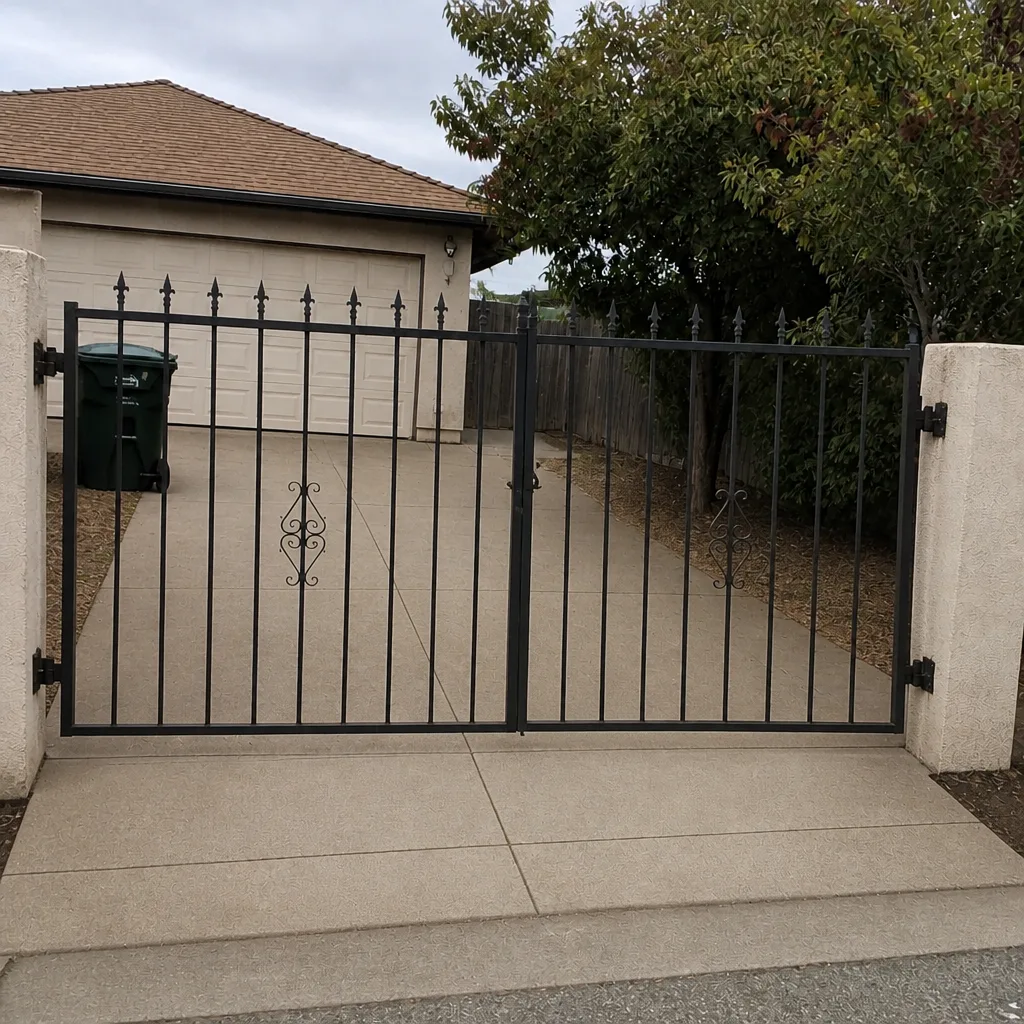
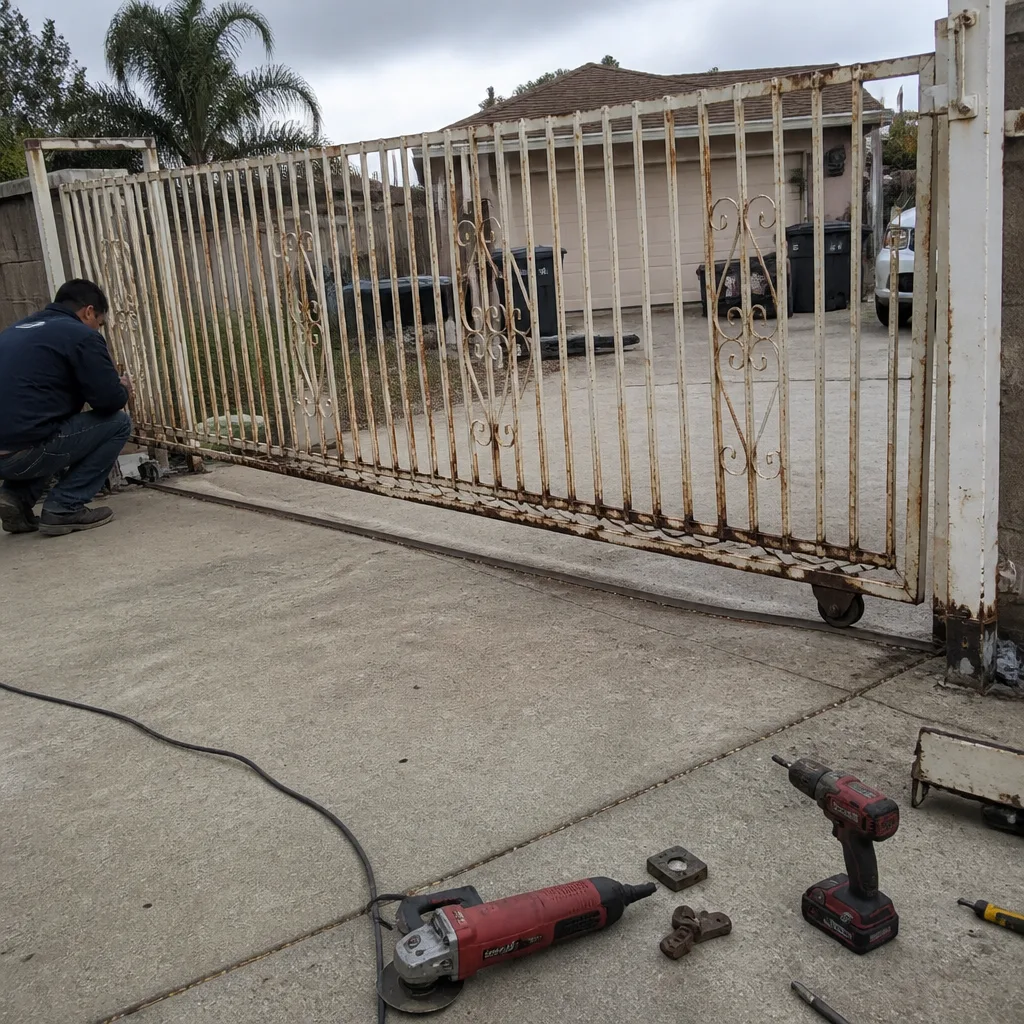
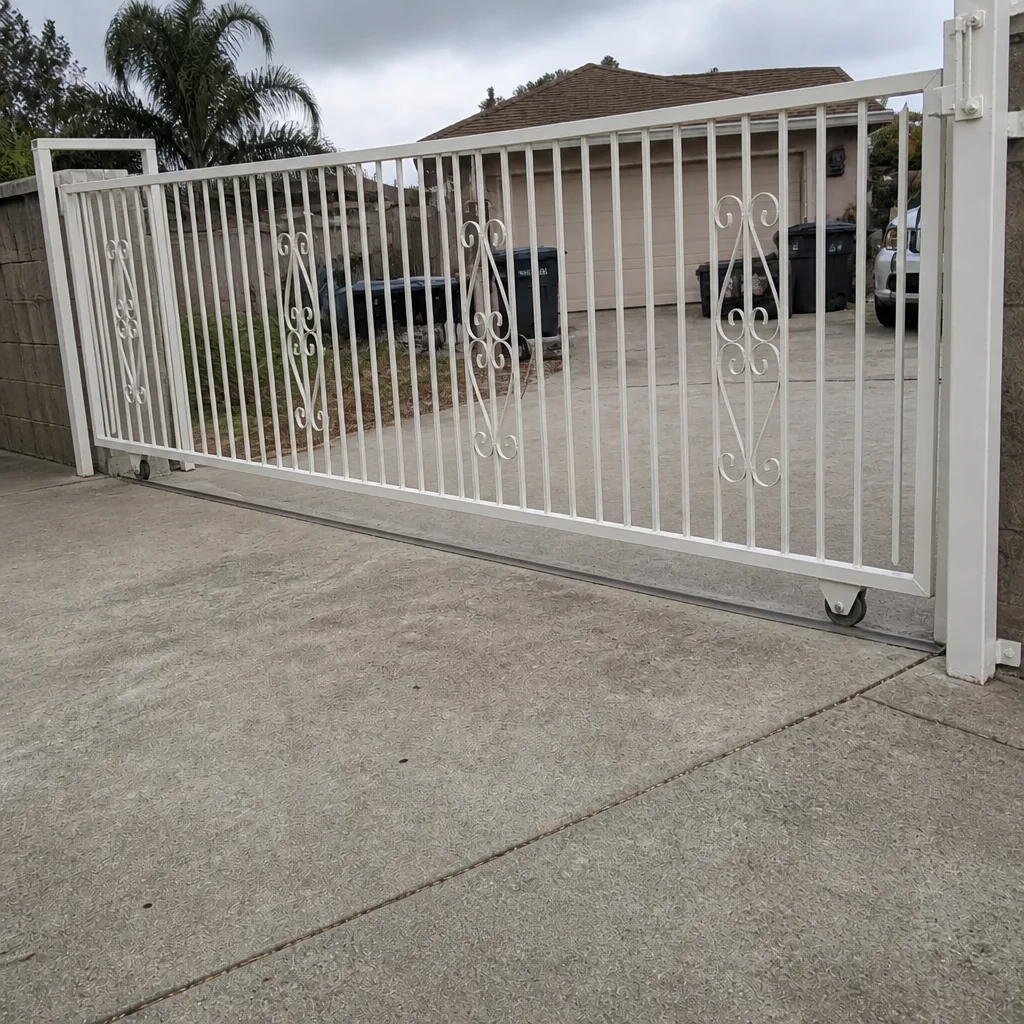
See the difference
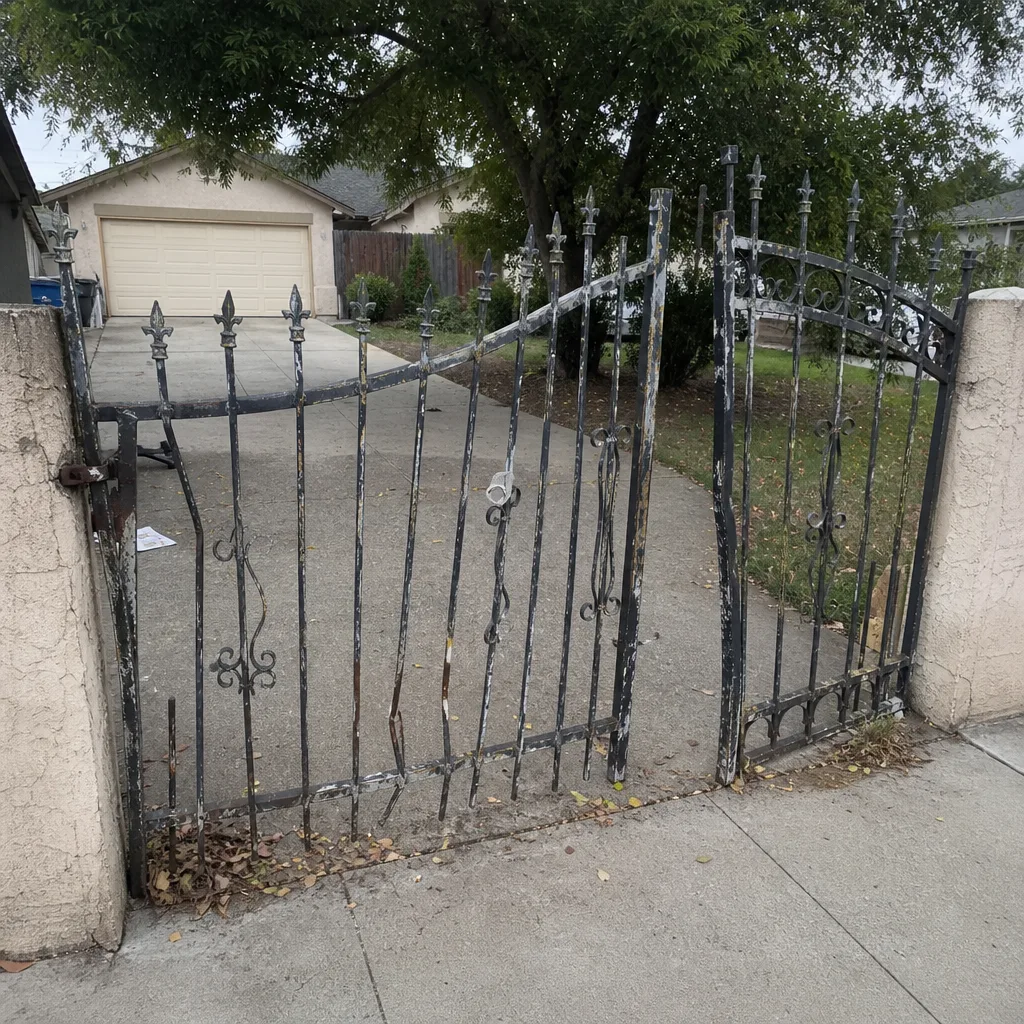 Before
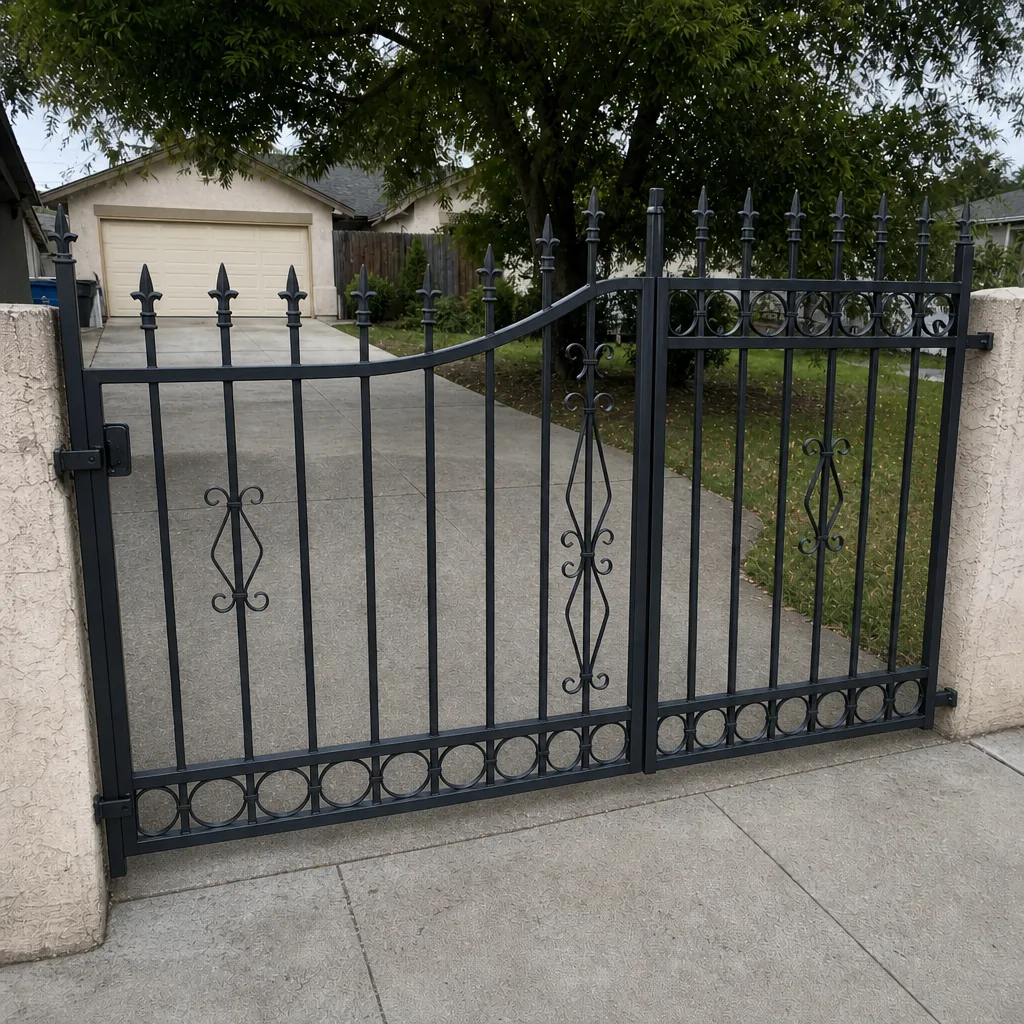 After
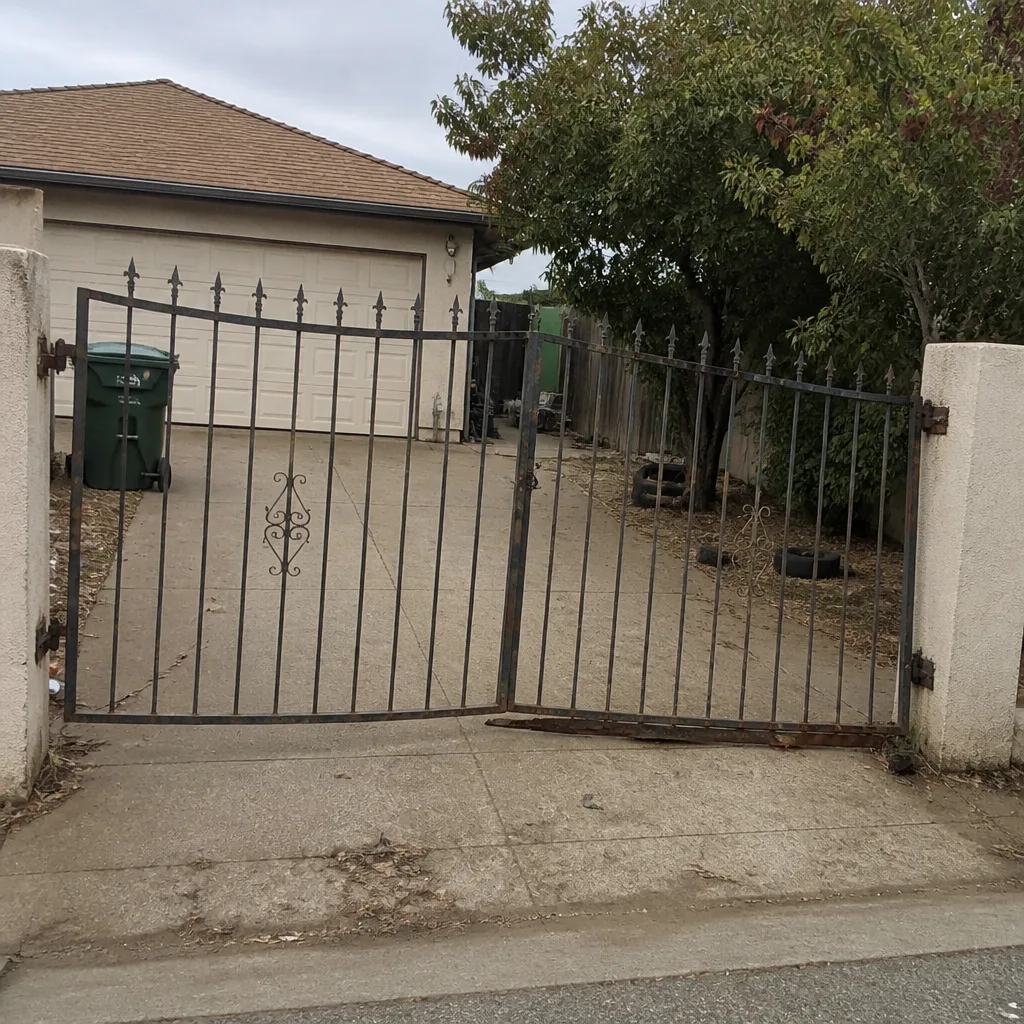 Before
 After
 Before
 After
When to Call a Professional
Call a gate specialist when the gate reverses on its own, stops halfway, or won’t respond to the remote. Don’t open the control box or rewire the operator yourself. Call when you smell burning at the operator, hear grinding from the mechanism, or see the gate binding on its track. Call when a commercial gate fails and traffic is backing up, or when a property manager needs an operator to match a specific access-control system. If you’re planning a first installation and want to choose a brand that fits your gate and cycle count, an on-site estimate settles it. Gate Repair Tracy offers free estimates in Tracy, and we can diagnose whether repair or replacement is the right call: call (844) 834-1771. We answer 24/7, with fast dispatch from 7am to 7pm, Sunday through Friday.
Frequently Asked Questions
There isn’t one best gate operator brand in Tracy. The right choice depends on your gate’s daily cycle count, its weight and size, and the local parts path. For light residential use, Mighty Mule and Ghost Controls are common. For heavier residential and commercial use, LiftMaster, FAAC, BFT, and DoorKing are a better fit. Call (844) 834-1771 for an exact quote on your gate. Estimates are free.
Count every open and close in a normal day, then multiply by the number of households or tenants using the gate. A single-family home is usually far below the rated cycles of a light residential operator. A multi-unit property can easily exceed a residential rating and belongs on a heavy residential or commercial operator. If you’re near or over the rating, step up a class.
Widely represented brands such as LiftMaster and Linear usually have parts that can be sourced locally or within a few days. Commercial operators from DoorKing, FAAC, BFT, and Elite may need a supplier order, and the wait varies. Ask about the parts path before you buy, and we can tell you what to expect for a specific brand.
Yes. A complete installation includes the power run, the operator wiring, safety sensors, safety edges, and a full safety test. We don’t hand off the electrical work to another company. Call (844) 834-1771 for a free on-site estimate in Tracy.
We work on nine major brands, so most repairs are possible without replacing the operator. A control board, sensor, or limit switch often solves the problem. Replacement makes sense when the operator is underrated for its cycle count or genuinely at end of life. We diagnose first and tell you which option makes sense.
A full installation includes the operator sized to your cycle count, any access hardware, the power and control wiring, safety sensors and edges, and testing. We also walk you through the manual release and confirm the permit situation with the city. Call for a free measure and a written price, agreed before any work starts.
The Bottom Line
Choosing a gate brand is an engineering decision, not a marketing one. Work out your daily cycle count, match it to the correct operator classification, and choose a brand with a real parts path in the Central Valley. Entry-level brands like Mighty Mule and Ghost Controls suit light residential gates, while LiftMaster, Linear, FAAC, BFT, DoorKing, and Elite cover heavier residential and commercial work. Then get the install done right, because a good operator on a bad install still fails. If you want help matching the brand to your gate in Tracy, we can look at it and tell you what makes sense.
Call (844) 834-1771 for a free estimate. We answer 24/7. Fast dispatch from 7am to 7pm, Sunday through Friday. Our technicians have up to 15 years of experience, and we’re experienced with nine major gate brands. The price is set per job by the written estimate and agreed before any work starts.
Written by the team at Gate Repair Tracy.