
Last updated November 15, 2026
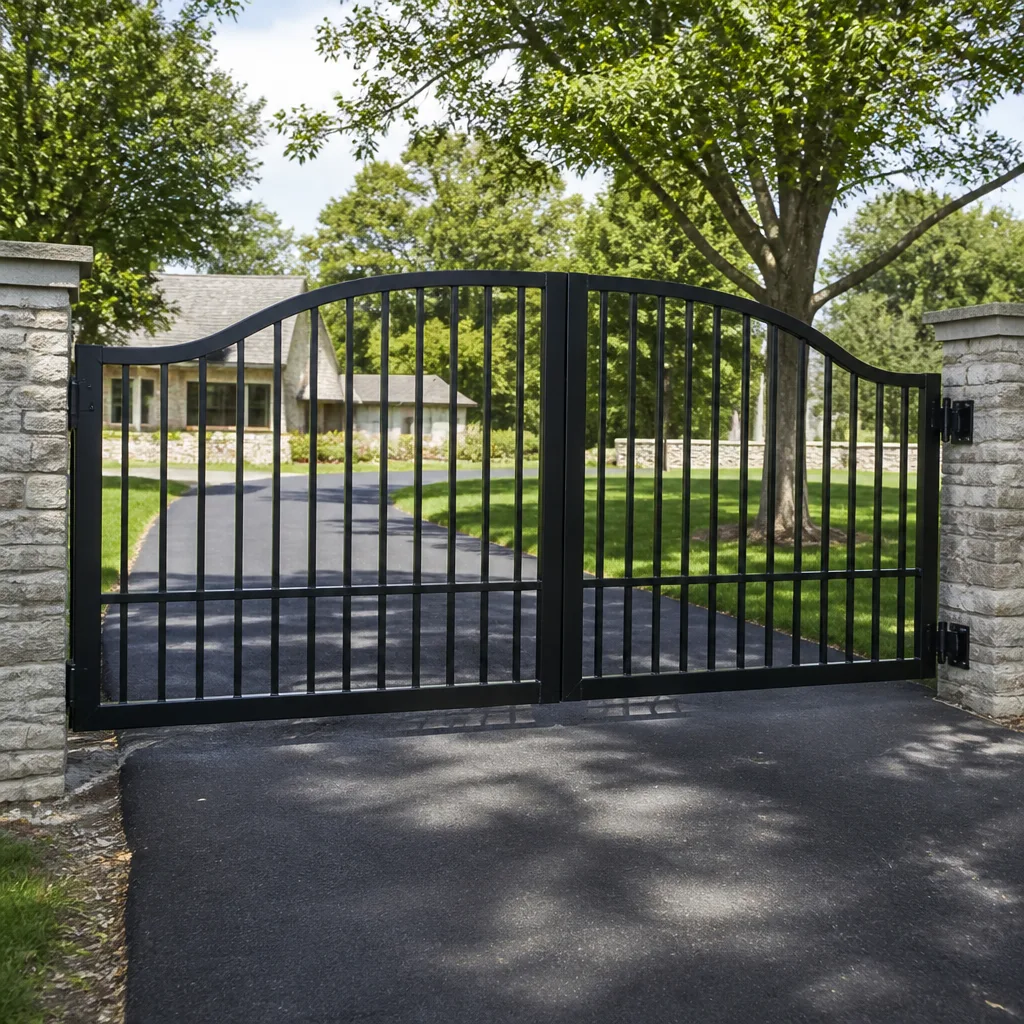
 Wrought iron
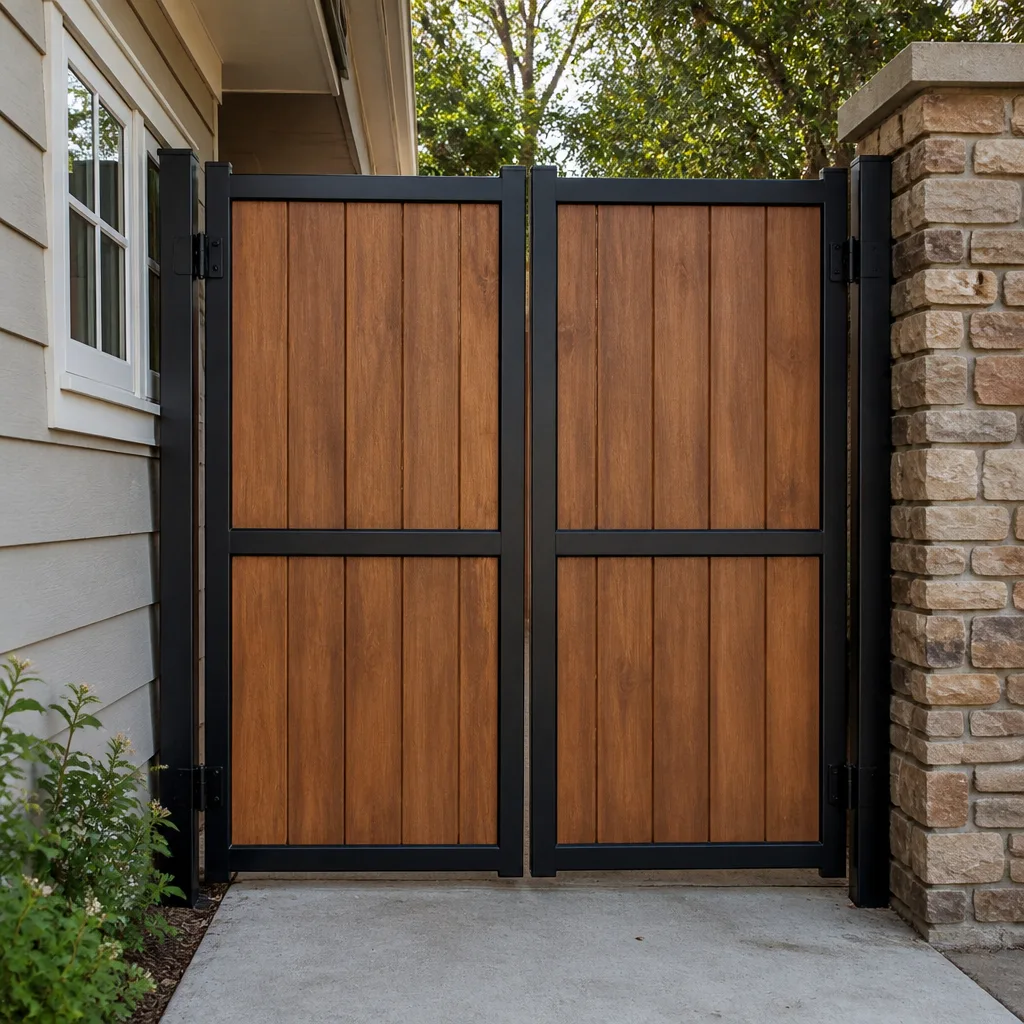 Wood & steel frame
 Farm & ranch
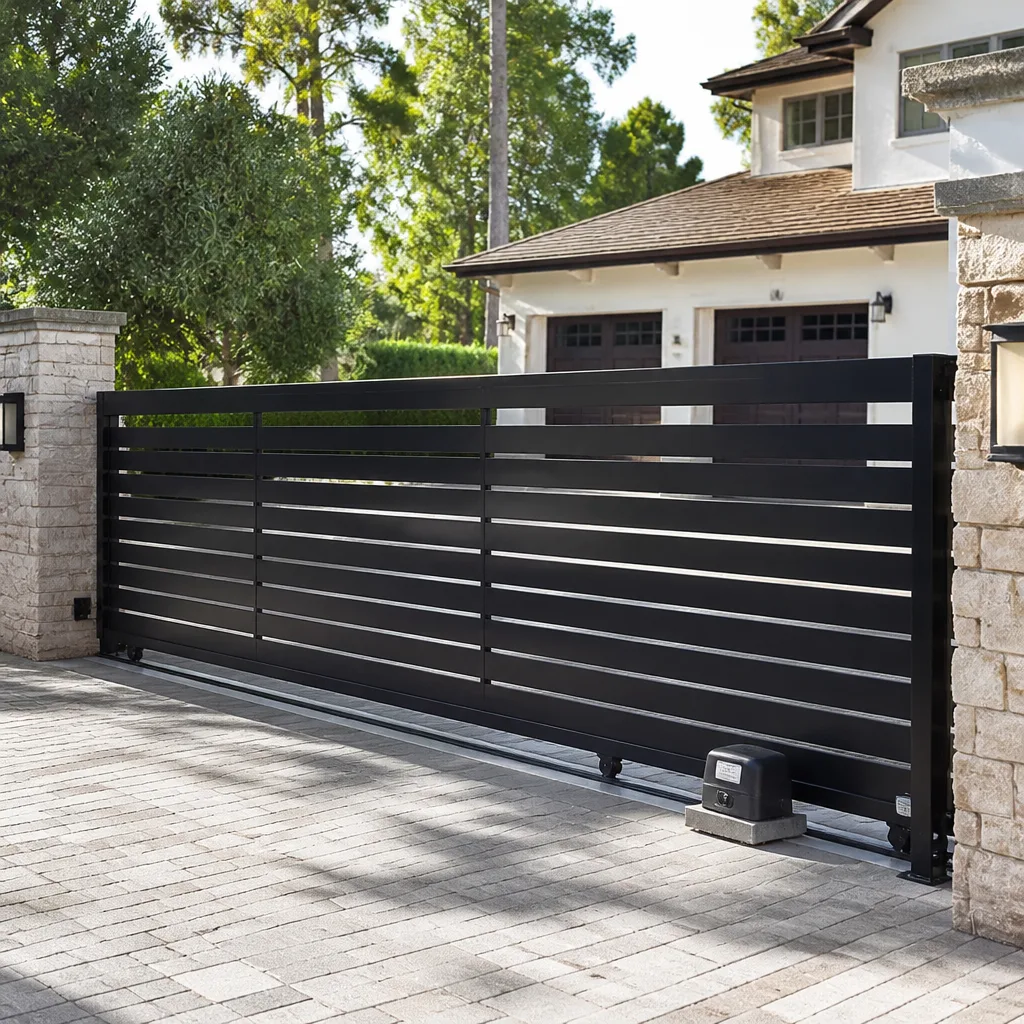 Sliding driveway gates
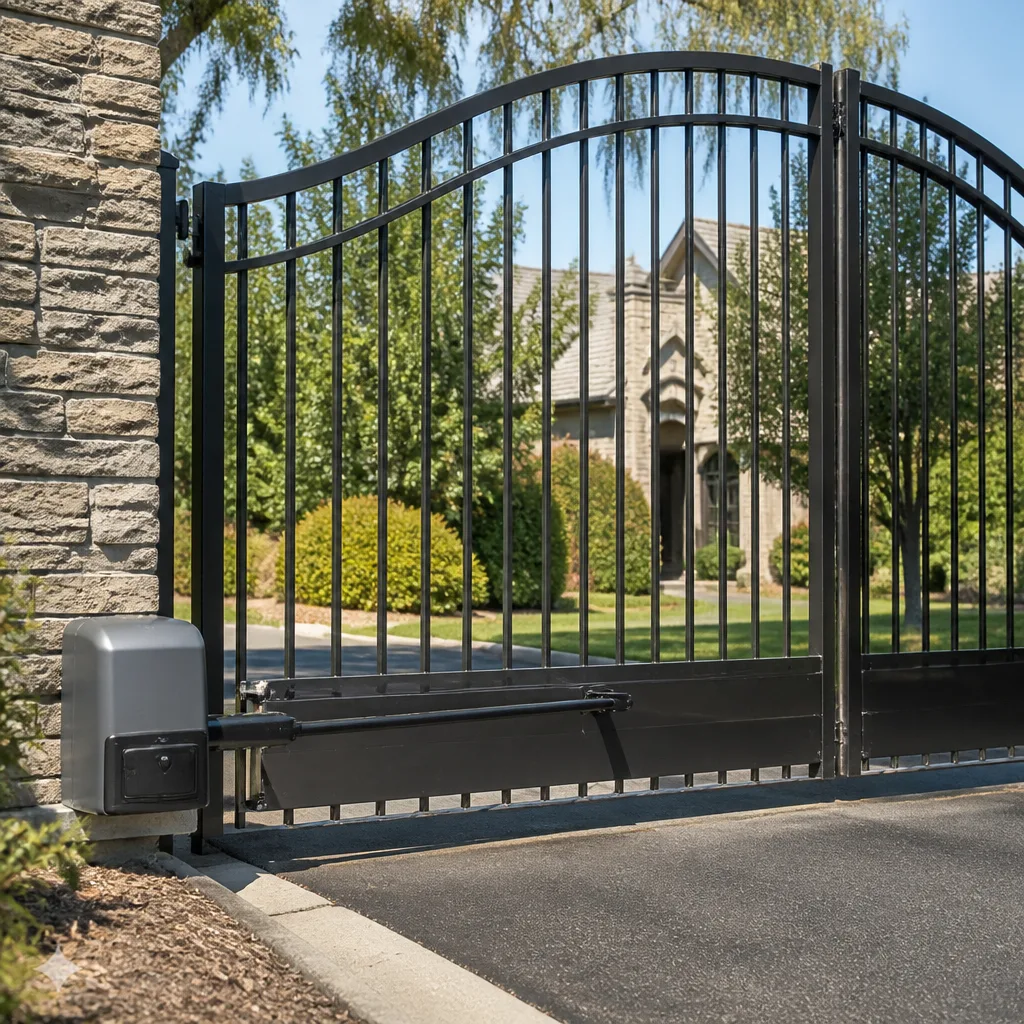 LiftMaster operators
Free on-site gate assessment - hinges, posts, and your LiftMaster or Nice gate operator checked before anything is quoted
The assessment is free and the quote is the invoice.
Get your free estimateSeasonal Gate Repair Care for Tracy: Year-Round Homeowner’s Guide
Most gate advice you’ll find online assumes one national climate. Tracy doesn’t have one. We sit in the Central Valley where a July afternoon can push past 100°F and a January night can dip near 30°F, and that 70-degree swing works on gate hardware all year. Steel tracks grow and shrink. Wooden panels swell and dry. Rubber seals bake, then soak. Gates that get the same generic tune-up twice a year still fail early here, because the two seasons ask different things of the same gate. This guide lays out a maintenance calendar built for Tracy’s actual weather, so you can spot the small problems your gate gives you before they turn into a slam or a stuck-open morning.
Quick Answer
Gate care in Tracy should follow two hard seasonal checkpoints: a summer pre-check for thermal expansion, operator cooling, and UV damage on seals, and a winter pre-check for moisture in control boards, electrical connections, and post footings after the rains. Spring and fall are inspection windows for rust, hinge wear, and loop detector shifts. Do those four passes and most gate failures get caught before they strand you.
Styles & brands we work with
- Wrought iron
- Wood & steel frame
- Farm & ranch
- Sliding driveway gates
- LiftMaster operators
Table of Contents
- Why Tracy’s Climate Stresses Gates Differently
- Summer Prep: Heat, Expansion, and UV
- Fall Prep: Clearing Tule Fog Moisture Before the Wet Season
- Winter Checks: Clay Soil, Footings, and Standing Water
- Spring Reset: The Post-Rain Inspection Protocol
- The Two Tasks to Do Before Every Summer and Every Winter
- Electric Gate Repairs: What Seasonal Weather Does to Operators
- When to Call a Professional
Why Tracy’s Climate Stresses Gates Differently
A gate is a mechanical system that lives outdoors, and outdoor systems expand, contract, dry out, and rust in response to weather. Tracy’s swing between hot dry summers and cool wet winters is wide enough that the effect shows up as physical alignment drift. A standard steel slide gate track, at three to five years of seasonal movement, can shift enough that the gate’s rollers ride the rail unevenly. You won’t notice it as a single event. You’ll notice it as the gate starting to drag on one end, or the operator straining to close the last few inches.
This is why a generic “check your gate twice a year” schedule doesn’t cover Tracy. The two most important maintenance windows are before the heat arrives and before the rain arrives, because each season attacks a different part of the system:
- Summer heat expands metal track and warps wood panels, stresses the operator’s cooling, and drives UV degradation on rubber seals and weatherproofing.
- Winter moisture finds its way into control boards, electrical connections, and the clay soil around post footings. Tracy sits on heavy clay, and clay holds water above the footing instead of draining it away.
- Spring and fall are the recovery windows: clean up rust, inspect hinges that accelerated their wear over the wet months, and re-check loop detectors that shifted with the ground.
We work on gate systems as our only trade, and the seasonal pattern in Tracy is one of the more consistent we see. The gates that last longest aren’t the ones that get the most repairs. They’re the ones that get adjusted before the season changes the geometry.
Summer Prep: Heat, Expansion, and UV
Summer in Tracy starts the moment the daytime highs crest into the 90s, and it lasts until the first cool nights of fall. The pre-summer pass should happen a few weeks before that, while the gate is still in its winter geometry. The goal is to set the gate up so the expansion of summer doesn’t push it out of alignment.
Three things are on the summer checklist:
- Track gap and thermal expansion adjustment. Walk the full length of a slide gate track and look for tight spots against the rollers. If any spot feels like it’s binding, the track has a pinch that will get worse as the metal heats. On a lift-style or swing gate, check that the gate stops at full open without the arm or operator slamming against its limit. A properly adjusted limit that holds in winter can be too tight in summer.
- Operator cooling check. Clear any debris, leaves, or lint packed around the operator housing. Most residential operators run hotter in summer, and a dusty housing is the difference between “warm to the touch” and “shut itself off.” Check the fan vent if the operator has one. On DoorKing and Linear operators we work on regularly, airflow is the single biggest factor in summer reliability.
- UV degradation on rubber seals and weatherproofing. Look at the rubber weatherstripping around the operator housing, the gasket on the control box door, and any rubber stops. If the rubber has gone chalky, cracked, or is pulling away, it’s not doing its job. That same seal is the one keeping rain out of the control board in winter.
Don’t overlook the gate’s own hardware in summer. Wooden panels swell and dry, and the board that fits perfectly in April can warp or cup by August. Run a quick check for splits along the grain, especially on the sun-facing side.
Fall Prep: Clearing Tule Fog Moisture Before the Wet Season
This is the checkpoint most homeowners skip, and it’s the one that pays off the most in Tracy. Fall is the window between the summer heat and the winter rain, and it’s when the morning fog starts settling into the Valley. That fog is moisture, and it finds the two places on any electric gate that care most: the control board and the electrical connections.
A fall prep pass means drying, sealing, and inspecting before the rain arrives:
- Open the control box and look for condensation. A paper towel test on the inside of the box will show whether moisture is already getting in. If the box shows any sign of damp, the door gasket is the first suspect.
- Inspect the electrical connections. Look for green or white crust on terminals, wire nuts, and the low-voltage wiring going to the keypad, loop detectors, and safety edges. That crust is corrosion, and corrosion on a control board will show up later as a gate that opens on its own or refuses an input.
- Treat exposed connections. A proper dielectric grease on the terminals and sealing any wire entry points in the box will stop moisture from getting in over the winter.
- Clear the drainage around the gate posts. Fall is the last chance to dig out the soil around the posts before the rains arrive.
On Ghost Controls and Mighty Mule systems, the opener housing is more exposed to weather by design, so fall is when the gasket, the battery terminals, and the solar panel connections (if you have them) all get a look. On commercial-grade operators like FAAC and BFT, the control cabinet gets the same treatment. The parts are different, the principle is the same: dry, seal, inspect.
Winter Checks: Clay Soil, Footings, and Standing Water
Tracy’s soil is heavy clay, and clay behaves in a specific way when it gets wet. It swells, it holds water, and it drains slowly. That combination is the hidden failure mode for gate posts. The post itself rarely cracks. What happens is that the footing loses purchase, the post drifts or leans slightly, and the alignment of the entire gate changes.
The early signs to watch for during winter:
- A post that leans slightly in any direction, especially on a slide gate, where a small alignment shift will start the gate dragging.
- Cracks opening in the concrete collar around the post, or a gap between the collar and the soil.
- Standing water pooling around the base of the gate post after rain, especially if the puddle lasts more than a day.
- Hinges that start to stick or feel loose on a swing gate, because a footing that has shifted puts uneven load on the hinges.
- Slide gate rollers that need more force to move, or a gate that stops mid-slide.
What to do about it: winter isn’t the season for footing work, because you need dry, stable soil to reset a post properly. What winter is for is observation. Note where water pools and where posts lean. That information becomes the spring work order. If the gate has been pushed out of alignment badly enough that the operator is straining, stop using it and get a professional out. Straining an operator against a misaligned track is the fastest way to burn out a control board.
Spring Reset: The Post-Rain Inspection Protocol
By the time the last real rain of the season has moved through Tracy, the gate has been through months of moisture and cool-temperature stress. The spring reset is the pass that catches everything that happened over winter, in a single walkthrough.
Run these steps in order:
- Walk the full perimeter of the gate and look for rust. Focus on the welds, the bottom rail (where moisture sits longest), hinges, and any scratches that expose bare metal. Spot-treat rust with a wire brush and touch-up paint or rust inhibitor. Left alone over a summer, rust spreads and eats into the structural metal.
- Check every hinge, roller, and pivot point. Hinge wear accelerates over wet months because the grease gets washed out or breaks down. Lubricate with a grease rated for the climate, not a thin oil that runs off.
- Inspect the loop detectors and any underground wiring. Clay soil shifts with moisture, and a buried loop or conduit can migrate enough to lose its tuning. If the gate fails to detect your car on approach, or the arm stays down when you need it up, the loop is the first place to look.
- Re-check post alignment. Now that the soil is drying out, look again at any post you flagged over winter. If it’s leaning, this is the season to fix it, while the ground is stable and the gate is not under summer heat load.
- Test the full operator cycle, including the safety edges. Run the gate through a full open and close while you stand at the safety edge and check that the gate reverses when the edge is pressed. That’s not a step to skip.
Spring is also the natural window for an on-site estimate if you’ve been thinking about a repair vs. replace decision. Repair or replace, we’ll tell you which one makes sense, and spring is when the information is cleanest.
The Two Tasks to Do Before Every Summer and Every Winter
If you only do two maintenance tasks all year, do these two, and do them before each change of season. They’re the highest-leverage checks, and they don’t depend on which brand of operator or gate you have.
- Lubricate and inspect every moving part. Rollers, hinges, chains, the operator’s drive mechanism, and any pivot points. Use a grease that’s rated for outdoor temperature swing. Look for play, wobble, or a part that feels dry. This one task prevents more expensive failures than any other, because it catches wear before it damages the part next door.
- Walk the safety systems. Every electric gate has at least one safety device: a safety edge, a photo-eye, a loop detector, or a reverse-on-obstacle feature on the operator. Test each one by running the gate and triggering the safety device. The gate should reverse or stop. If it doesn’t, the gate is not safe to run until it’s fixed.
Both tasks should happen before summer heat (because heat makes an already-worn part fail) and before winter rain (because moisture accelerates wear on anything already compromised). If the gate has a wooden panel, inspect it for splits or cupping at the same time, and apply a weather seal before each season change to slow the warp-drift cycle.
Electric Gate Repairs: What Seasonal Weather Does to Operators
Most of the seasonal failures we see on electric gates in Tracy trace back to the control board and the operator, not the gate itself. The gate is a piece of metal; the operator is a piece of electronics, and electronics respond to heat and moisture in specific ways.
- Summer: the operator housing gets hot, and a control board that’s marginal in cool weather can start throwing errors or refusing to open. Clearing airflow, checking the seal, and running the gate mid-morning during a heat wave (rather than at peak afternoon heat) reduces the strain.
- Fall: moisture from fog enters through the control box gasket and works on the terminals. Corrosion on the low-voltage side is behind many “the gate opens on its own” calls.
- Winter: moisture plus cooler air means the operator runs at a slightly slower cycle, which can reveal a gate that was already near its alignment limit.
- Spring: the ground shifts and the loop detector loses tuning, which shows up as a gate that won’t detect a car approaching.
We work on LiftMaster, Linear, Viking, DoorKing, FAAC, BFT, Ghost Controls, Elite, and Mighty Mule operators regularly, and the seasonal pattern holds across all of them. From Mighty Mule to FAAC, the failure modes are the same. What changes is where the parts are and how they’re accessed. That’s why electric gate repair is a specialty, not a side job: the seasonal care plan only works if you know what’s inside the operator you’re looking at.
Common Mistakes to Avoid
- Running the same generic tune-up twice a year. Tracy’s summer and winter stress different parts, so the same checklist in both seasons misses the biggest seasonal risks. Split the work into summer-prep and winter-prep passes.
- Skipping the fall electrical check. The control board dries out over the hot months, and it’s easy to assume it’s fine. The tule fog moisture in fall goes after the terminals first, and a gate that opens on its own is not a mystery; it’s a corroded connection.
- Ignoring a leaning gate post. A post that leans an inch in winter can become a two-inch lean by spring, and a slide gate that was tracking straight now drags. Get it looked at before the soil dries out and the fix gets harder.
- Treating rust as a cosmetic issue. Rust on the bottom rail is where structural moisture lives, and it spreads into the welds. A wire brush and touch-up paint in spring is cheap; a re-weld in summer is not.
- Using a thin oil for gate lubrication. Oil runs off with the first rain, and then the hinges and rollers run dry. Grease rated for outdoor temperature swing stays put.
- Not testing safety edges and photo-eyes. It’s the easiest check on the list and the one most often skipped. A gate that fails to reverse on an obstruction is a safety problem you can’t see unless you look for it.
- Power-cycling a misaligned gate repeatedly. If a slide gate is dragging, forcing the operator through the cycle strains the motor and the control board. Stop, and get it looked at. Straining a motor to move a gate that’s out of alignment is how a $200 repair becomes a motor replacement.
See the difference
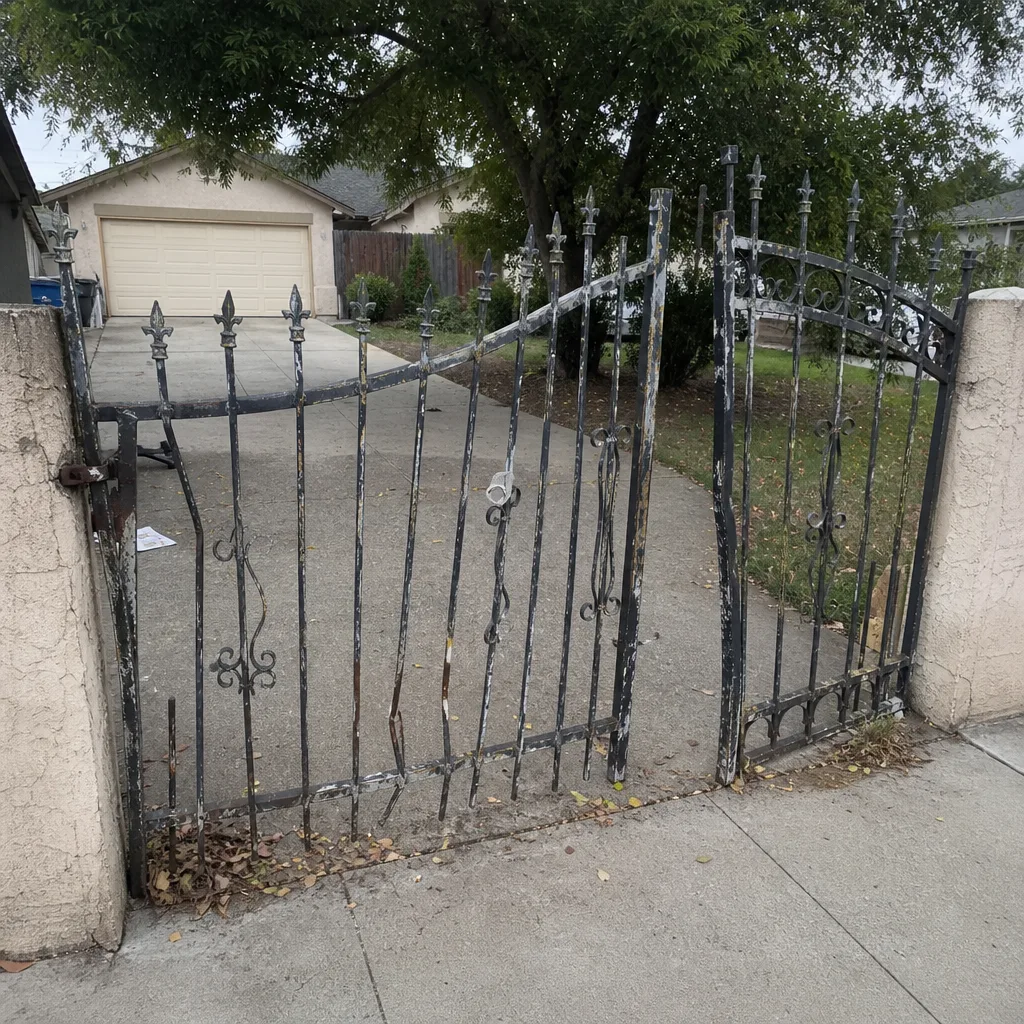 Before
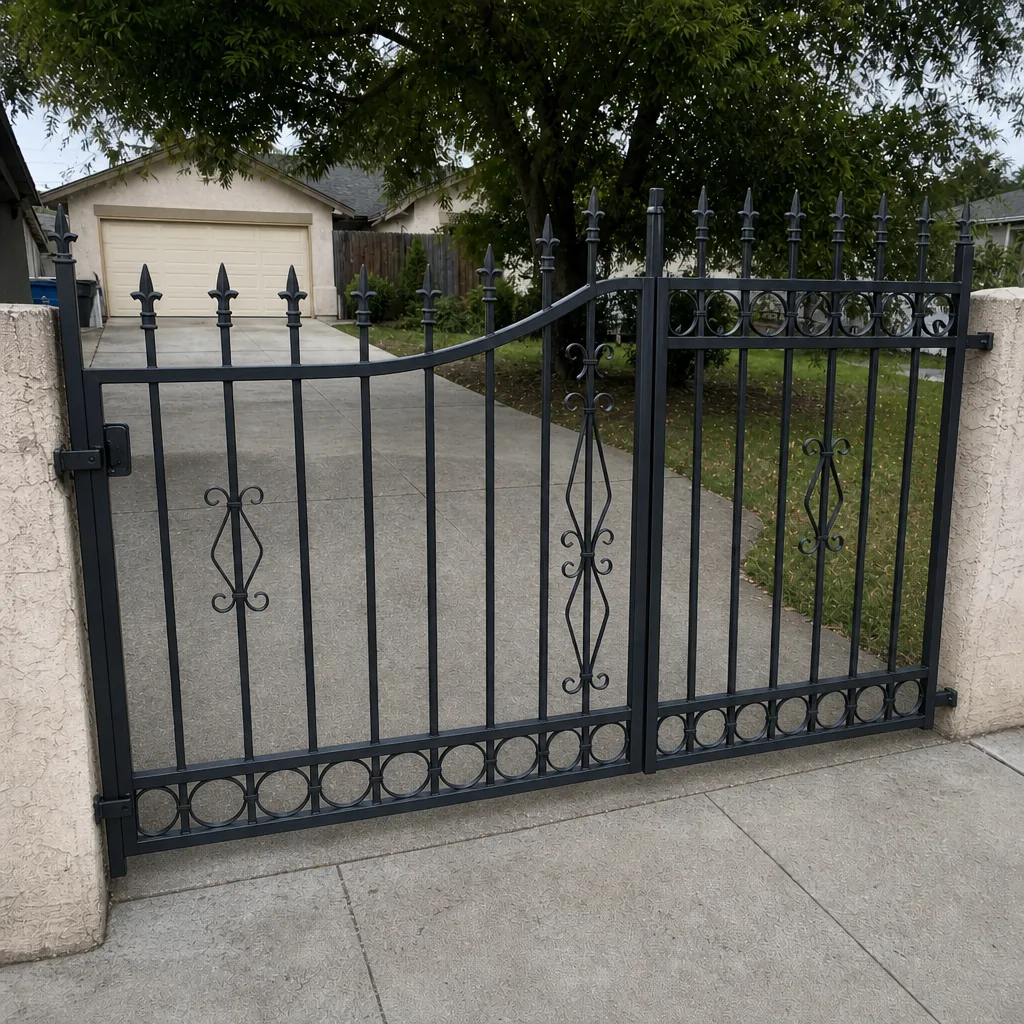 After
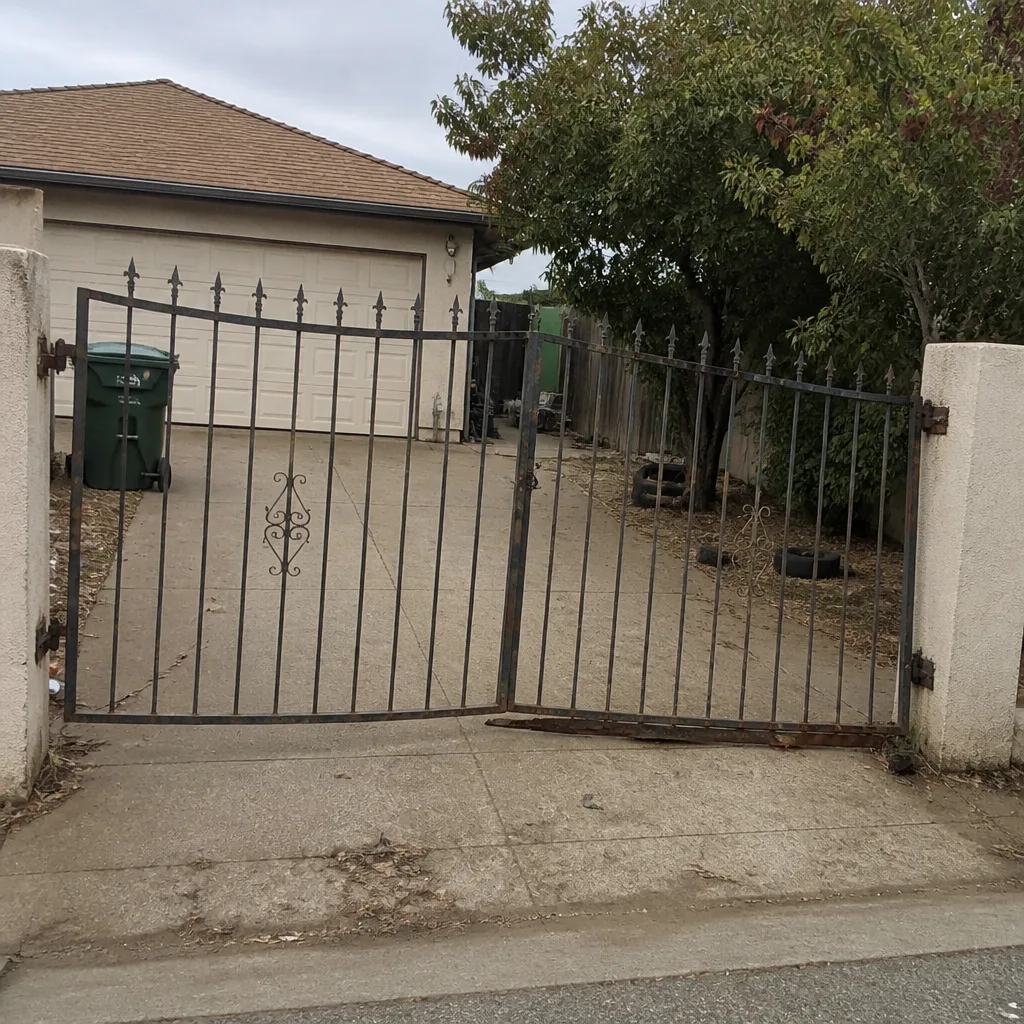 Before
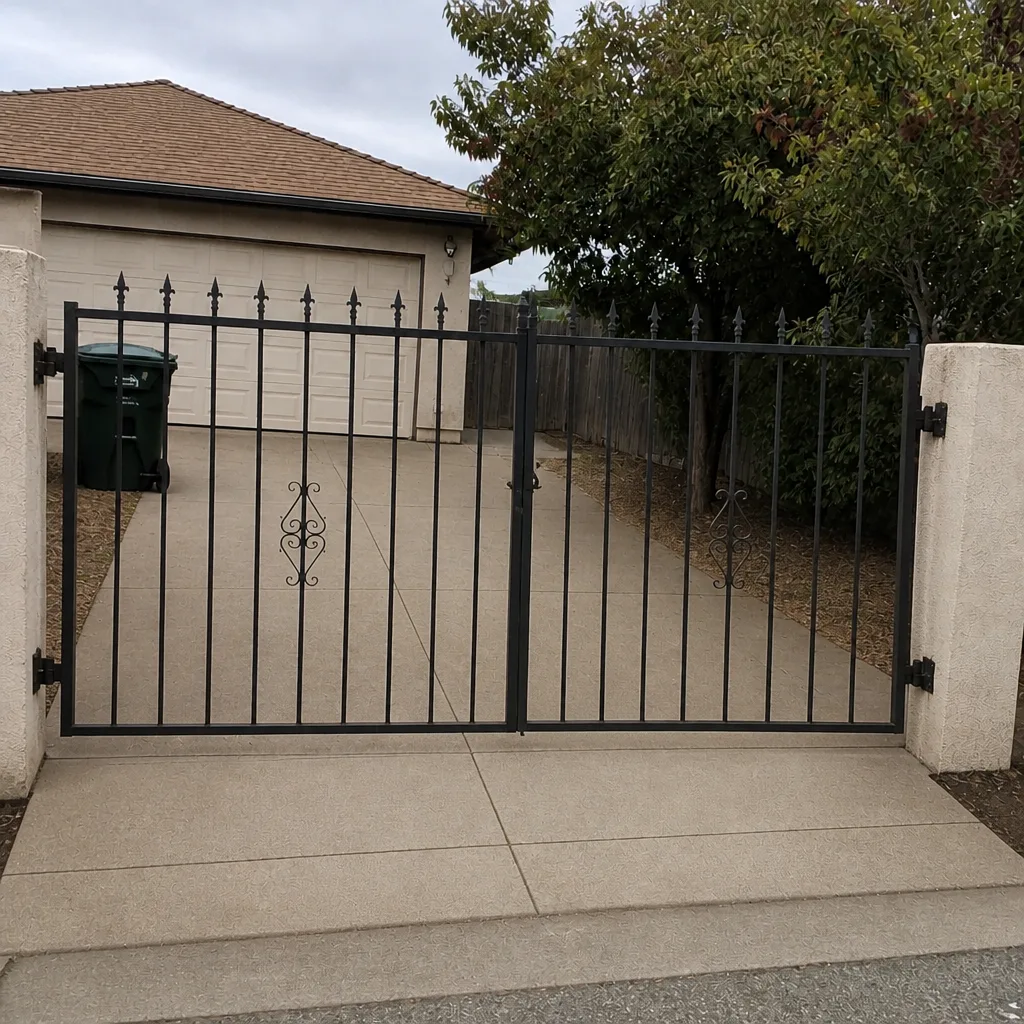 After
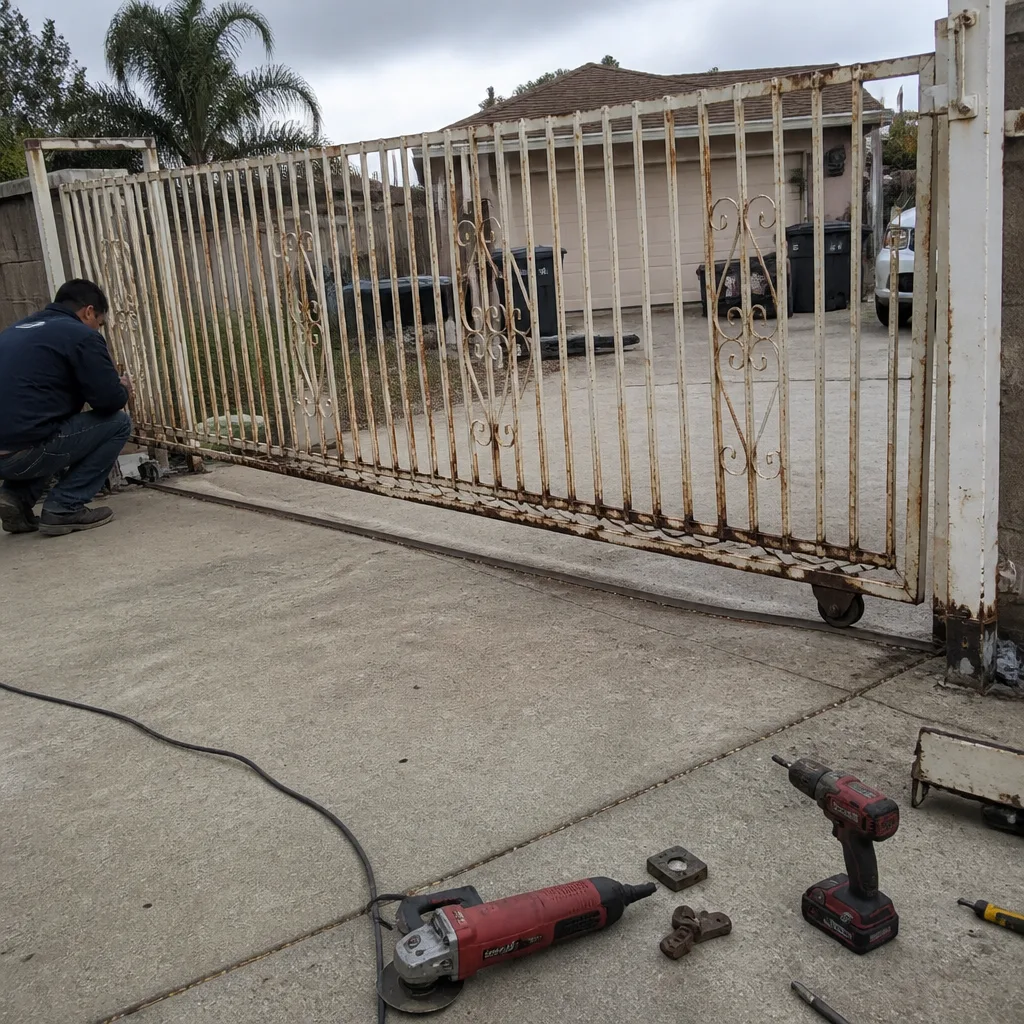 Before
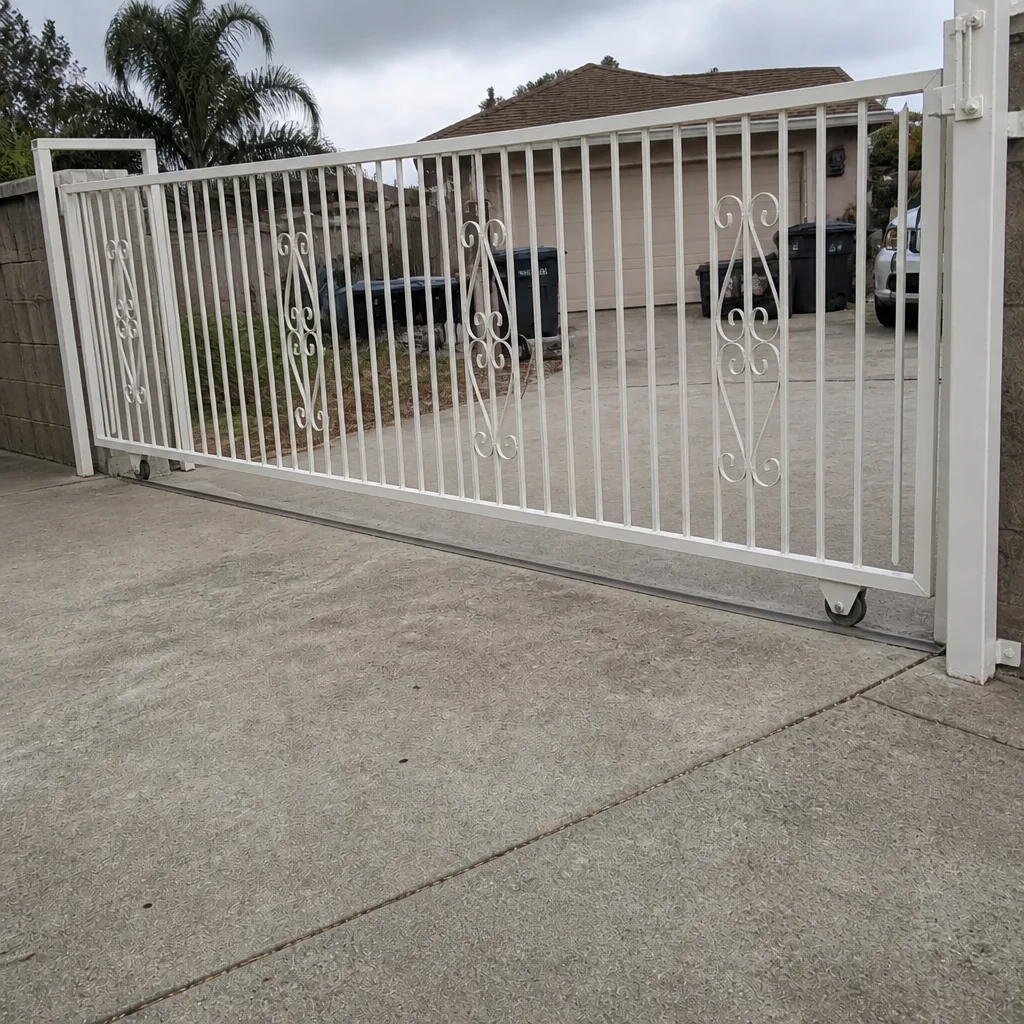 After
When to Call a Professional
Some gate work is a homeowner job. Walking the perimeter, lubricating hinges, and clearing debris out of the operator housing are all things you can do yourself, and doing them regularly will extend the life of any gate. But some situations need a specialist, and forcing a repair yourself is the fastest way to make the invoice bigger. Call us if the gate post has moved or the soil around the footing has been undermined by standing water. Call us if the gate opens on its own, fails to detect a vehicle, or refuses an input from the keypad. Call us if a control board is throwing errors or the operator is straining to complete a cycle. And call us if the safety edge or photo-eye doesn’t reverse the gate when you test it.
Gate Repair Tracy offers free estimates in Tracy, and every estimate is written and agreed before any work starts. If you’re near the older neighborhoods around Downtown Tracy or out toward the newer subdivisions on the west side, the seasonal pattern is the same; the age of the gate and the brand on the operator are what change the plan. For gate repair in Tracy, gate repair should always start with a diagnostic, not a guess. Call (844) 834-1771. We answer 24/7. Fast dispatch from 7am to 7pm, Sunday through Friday. Our technicians have up to 15 years of experience with every system on the property.
Frequently Asked Questions
Twice a year, but with a specific split: once before summer for thermal expansion, operator cooling, and UV damage, and once before winter for moisture in control boards and electrical connections. Spring and fall are inspection windows where you walk the gate and catch the damage the seasons left behind. An annual service that doesn’t account for both stress points will miss most of what actually affects a gate in this climate.
Because the metal track has expanded and narrowed the gap the rollers ride in. When the daytime high climbs past 90°F in Tracy, a steel track that was adjusted correctly in winter can start binding. On a slide gate, the effect is a gate that drags or stops mid-slide. Adjusting the track and the operator’s travel limits before the hot season is the fix, and it’s a pre-summer task on every gate we service.
Moisture in the control box and corrosion on electrical connections. Tule fog and rain work their way past a tired gasket, and the terminals start showing crust. That shows up as a gate that opens on its own, refuses an input, or triggers a safety fault. The second most common winter problem is a gate post drifting in clay soil, which changes the gate’s alignment and forces the operator to work harder. The fall pre-check is aimed at both.
Often yes. Self-opening is usually corrosion on a low-voltage connection (a loop detector, a keypad wire, or a safety edge) that’s sending a false signal to the control board. Moisture in the board is the other common cause. It isn’t safe to ignore, and it usually gets worse over winter. Get it looked at rather than power-cycling it repeatedly; a repeating false signal can damage the board.
Some of it, yes. Lubricating hinges and rollers, clearing debris out of the operator housing, checking the weatherstripping on the control box, and testing the safety edges are all things a homeowner can do. What you should not do yourself is anything involving the operator’s wiring, the control board, the power run, or a post that’s leaning. Electric gates carry real hazards, and a control board needs a specialist who knows the brand. For access control, safety edges, or power issues, call a professional. Call (844) 834-1771 for an exact quote, and estimates are free.
The underlying seasonal plan stays the same regardless of brand, because the climate stress is the same. What changes is how you get at the parts. A Ghost Controls or Mighty Mule residential operator has an accessible housing and a simple control setup. A DoorKing or FAAC commercial-grade operator has a more involved control cabinet that needs a different approach. If you’re not sure which one you have, the seasonal care plan starts with identifying the brand, and we work on all of them.
The Bottom Line
A gate in Tracy lives through a 70-degree seasonal swing every year, and the maintenance calendar has to follow that swing. The two high-value windows are before summer (thermal expansion, cooling, UV) and before winter (moisture, connections, footings). Spring and fall are the recovery passes for rust, hinge wear, and loop detector shifts. None of it is complicated, but all of it is seasonal, and a generic tune-up twice a year will miss the specific problems this climate creates. Do the two core tasks (lubricate the moving parts, test the safety systems) before every season change, and you’ll catch the small problems before they become a stuck gate on a bad morning. When in doubt, get a specialist out. Your gate, moving again, is the goal.
Call Gate Repair Tracy at (844) 834-1771 for a free estimate on a seasonal service or a gate repair. We answer 24/7, and it’s fast dispatch from 7am to 7pm, Sunday through Friday, closed Saturday. From Gate Repair Tracy to the brand on your operator, we’ll tell you what your gate needs this season.
Written by the team at Gate Repair Tracy.